



Think in stages, not slogans
Fresh produce moves through several environments before it reaches a workplace: sourcing, receiving, grading, holding, packing, dispatch and final handover. Each transfer creates a moment when temperature, time or physical handling can affect condition.
A useful operating plan identifies those stages and the people responsible for them. It does not assume that one chilled room or vehicle makes every product requirement identical.
- Receiving inspection
- Product-appropriate holding
- Careful packing
- Documented handover
Match handling to the produce
Leafy vegetables, berries, mangoes, bananas and citrus do not behave in the same way. Some are sensitive to pressure; others continue ripening; some may be affected by unsuitable temperatures. The assortment therefore influences how a consignment should be held and transported.
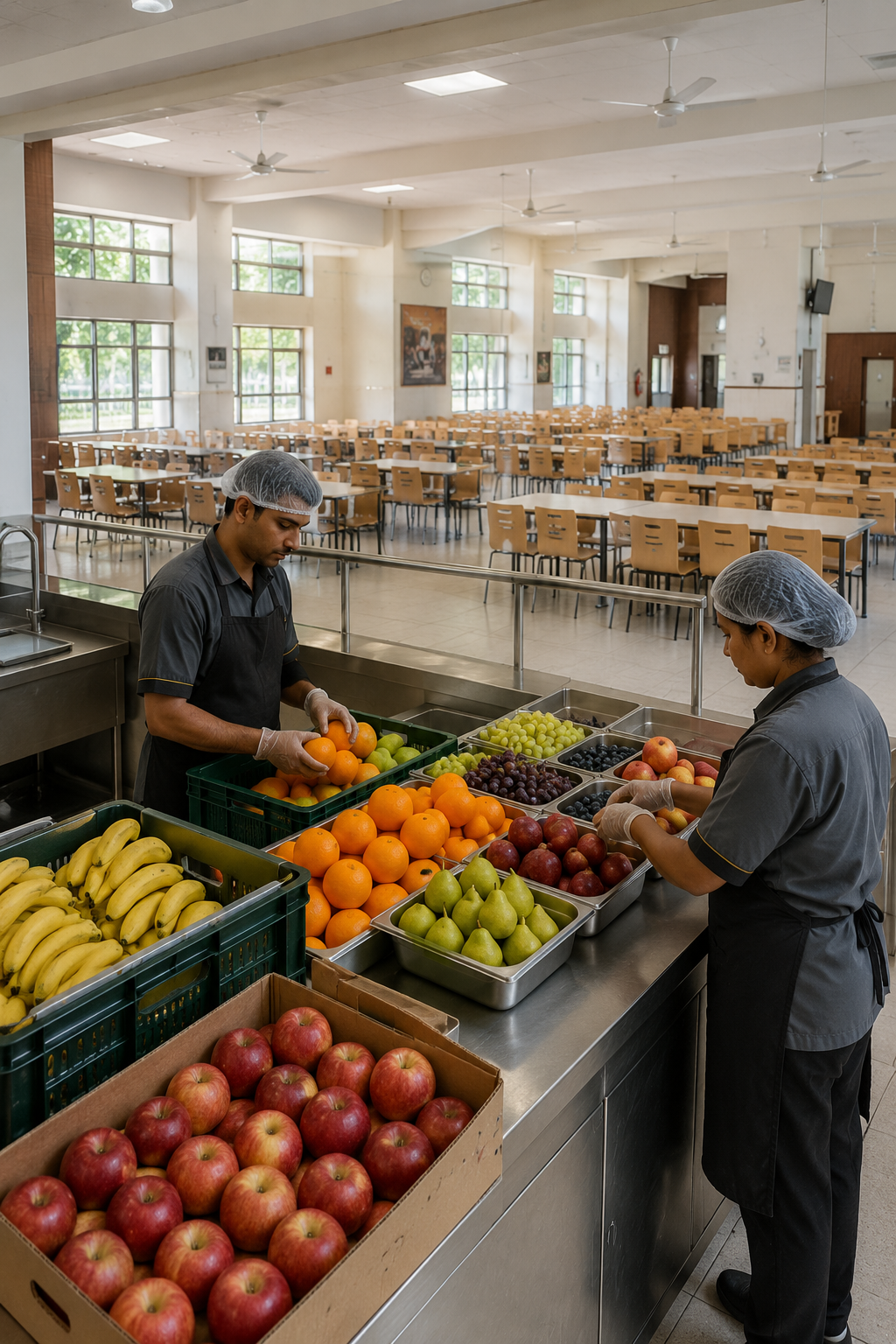
For mixed workplace orders, packaging should reduce unnecessary movement and keep more delicate items from carrying the weight of heavier fruit. Final handling arrangements depend on the actual products, quantity, route and timing.
Cold is not automatically better for every fruit. Product-specific handling matters.
Plan the final kilometres
Delhi NCR routes can vary with distance, access and time of day. A delivery discussion should include the complete address, receiving window, unloading point and contact person. These details allow route feasibility to be reviewed for the specific requirement.
The receiving team also has a role. Delayed access, an unavailable contact or a long unplanned internal transfer can affect produce after arrival. A clean, prompt handover keeps responsibility clear and reduces avoidable waiting.
- Confirmed address and access
- Realistic receiving window
- Available receiving contact
- Prompt movement after handover
Check condition and learn
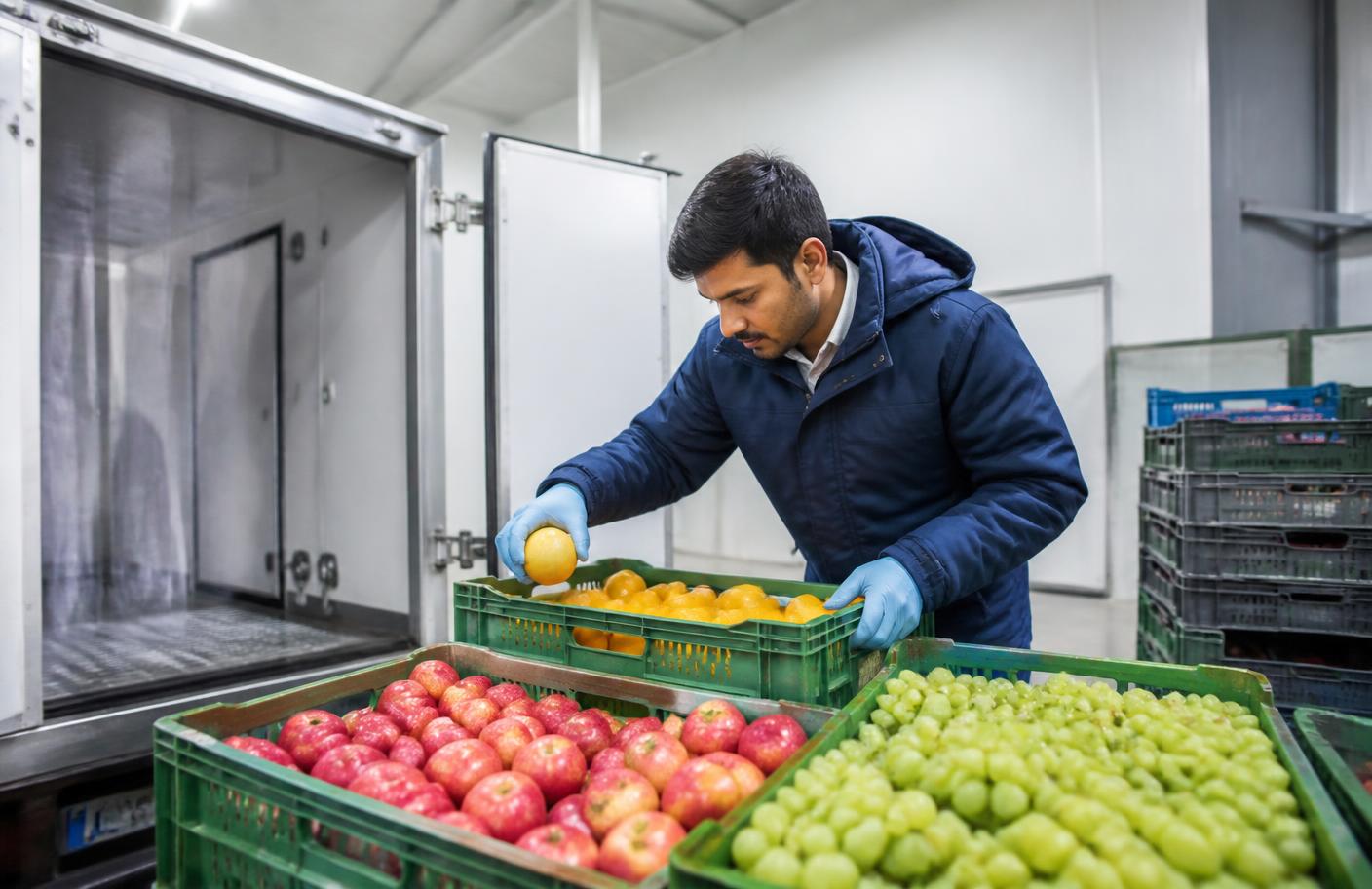
Condition should be reviewed at receipt against the agreed order. If there is a concern, record it promptly with useful details and photographs rather than relying on a later general description. The applicable resolution process should follow the confirmed commercial terms.
Recurring programmes benefit from simple learning: which products travel well for the route, which packing formats suit the workplace, and whether quantity or timing needs adjustment. Cold-chain care is strongest when each stage informs the next plan.
Service scope and resolution terms should be agreed before supply; this article does not create a guarantee or SLA.