Choose the experience first
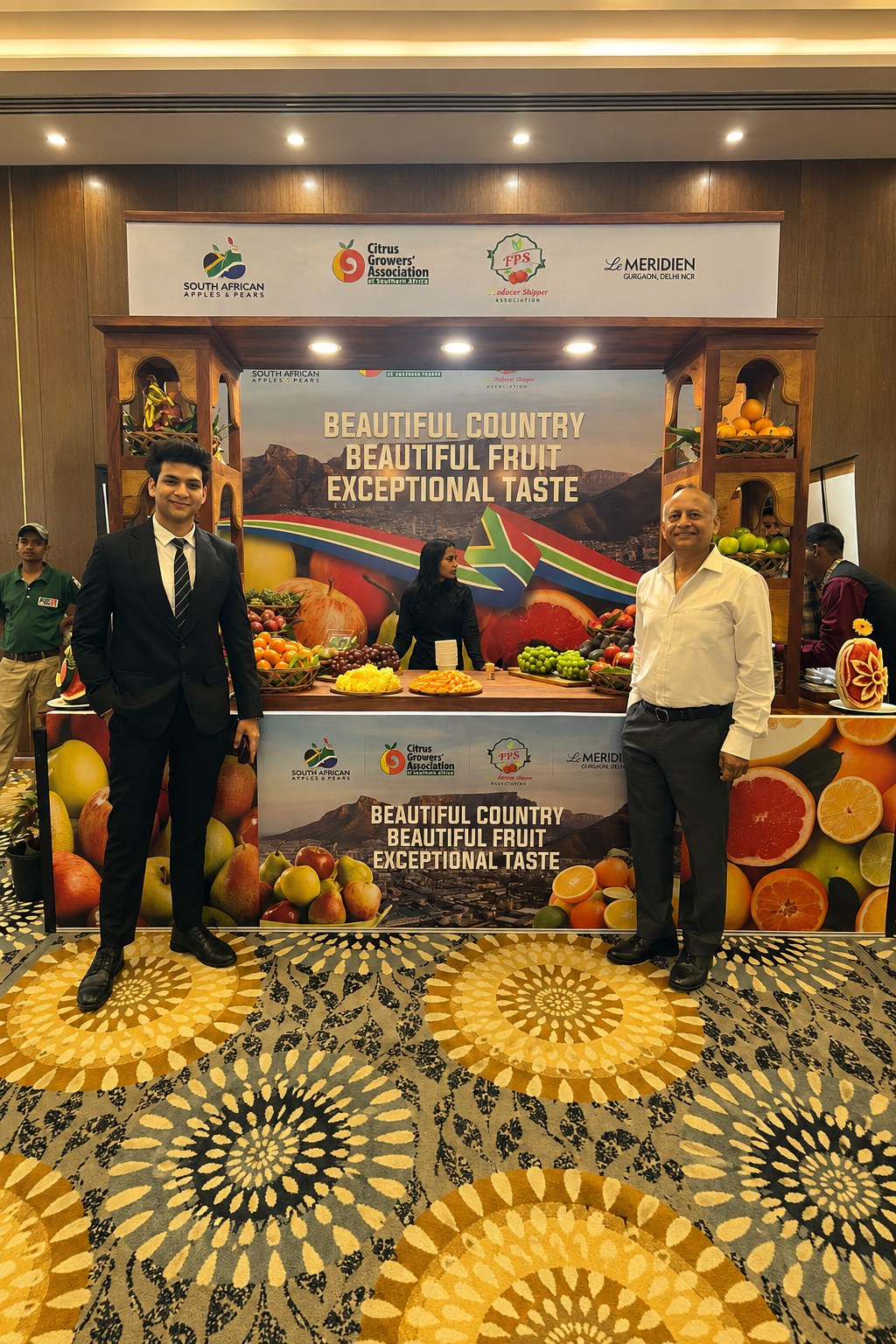
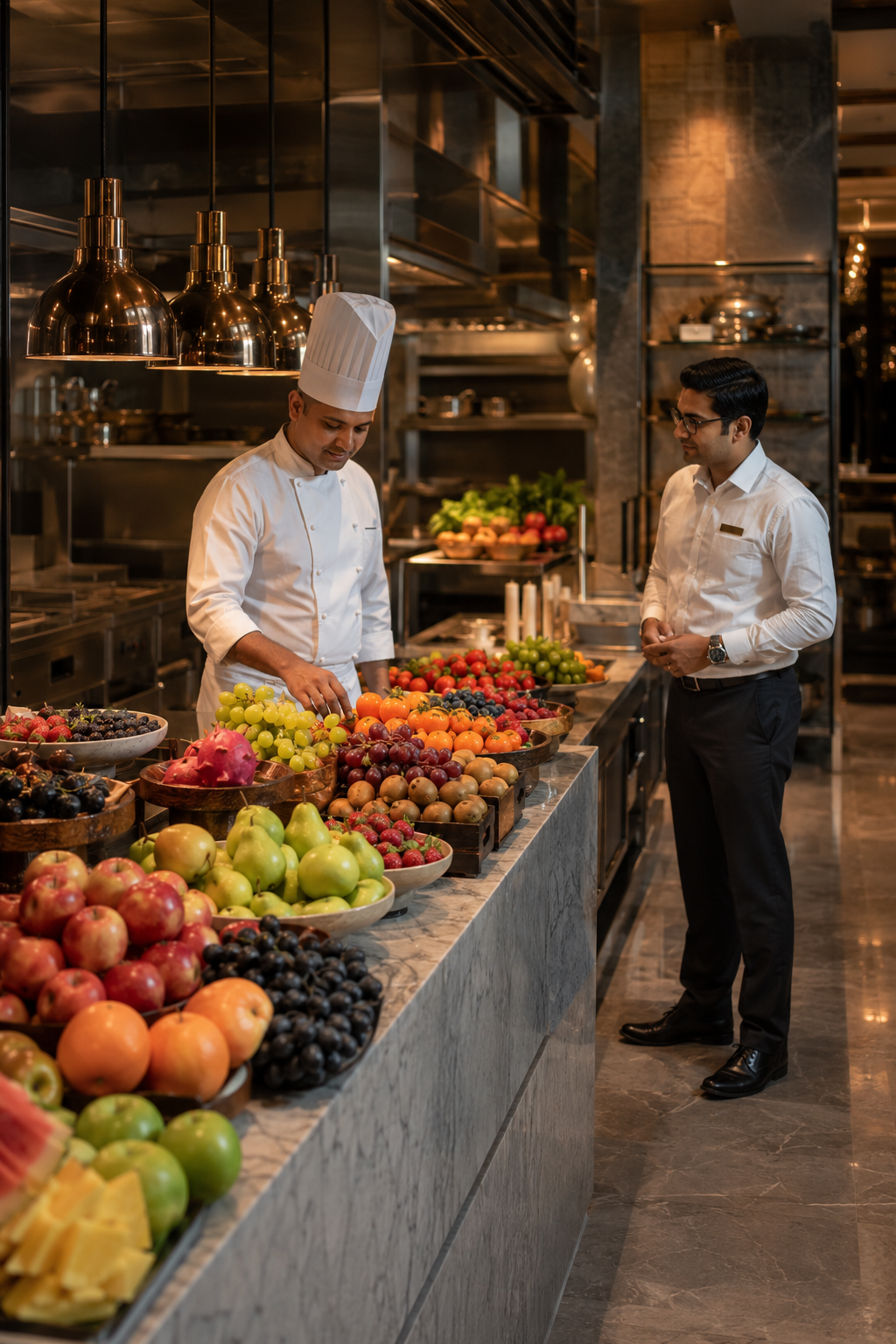
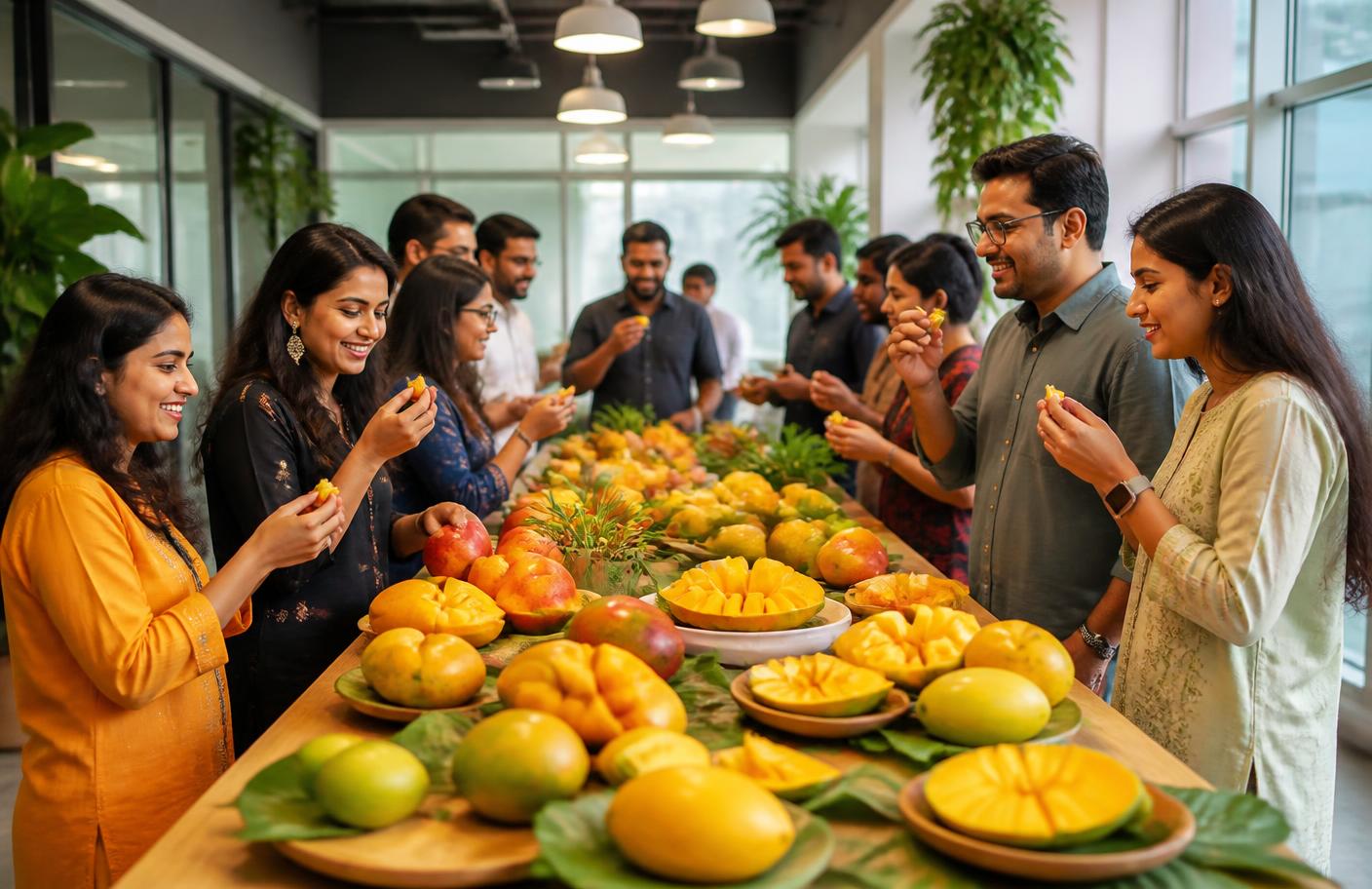
A tasting table, a pantry feature and a town-hall fruit station are different formats. Decide whether employees will stop briefly, gather in groups or receive fruit through an internal team. That choice shapes the space, timing, quantities and serving plan.
Record the audience, location and expected operating period. Avoid promising a particular variety or display until the supplier has reviewed the date and requirement.
- Tasting or display format
- Expected flow of people
- Available space
- Internal event owner
Plan the fruit around the date
Mango availability and eating condition change through the season. Share preferred varieties, but allow the final selection to be confirmed against the event date. If comparison is part of the experience, decide how many varieties are useful without making the table difficult to manage.
The brief should also state whether whole fruit, prepared tasting portions or a mixed presentation is being discussed. Prepared produce introduces additional timing, hygiene and serving requirements that must be reviewed separately.
Seasonal examples are illustrative until the event assortment is confirmed.
Design an easy event flow
Place the activation where people can approach without blocking a corridor or essential workspace. Identify entry, serving and exit points, and keep waste collection and cleanup close to the activity. A simple flow makes a modest setup feel considered.
Assign responsibilities for receiving, setup, serving and closing. FPS can discuss fruit supply and an event requirement; the exact service scope must be confirmed in the proposal.
- Accessible setup area
- Receiving and setup contact
- Serving responsibility
- Waste and cleanup plan
Communicate without overpromising
An internal announcement can name the event, time and location, and describe it as a seasonal mango experience. Avoid health claims, unsupported sourcing stories or a final variety list before confirmation.
After the activation, collect simple operational feedback: Was the time suitable? Did the flow work? Which presentation was easiest to use? Those observations can improve a future seasonal event without turning participation into an impact claim.
Keep feedback focused on event planning and experience, not unverified wellness outcomes.