





Why one label is not enough
People respond to foods differently, and blood-glucose management depends on personal health, portion, meal context and professional advice. Calling an office assortment suitable for everyone with diabetes can therefore overstate what a workplace or supplier can responsibly decide.
A better pantry approach is to provide a varied selection and avoid health promises. Employees with a diagnosed condition should follow guidance from their own doctor or qualified dietitian.
This article offers general workplace planning information and is not medical or nutritional advice.
Offer variety without prescribing
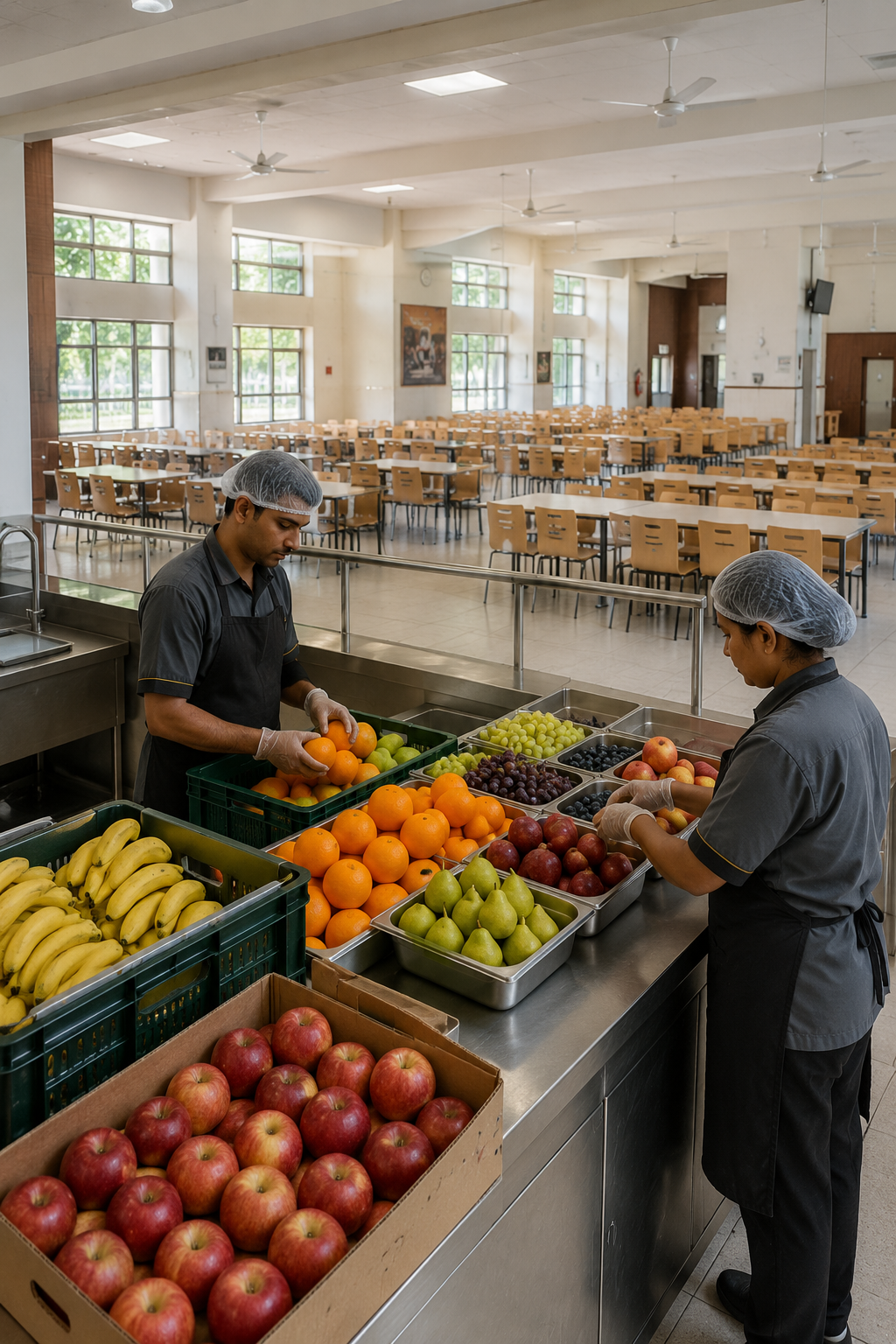
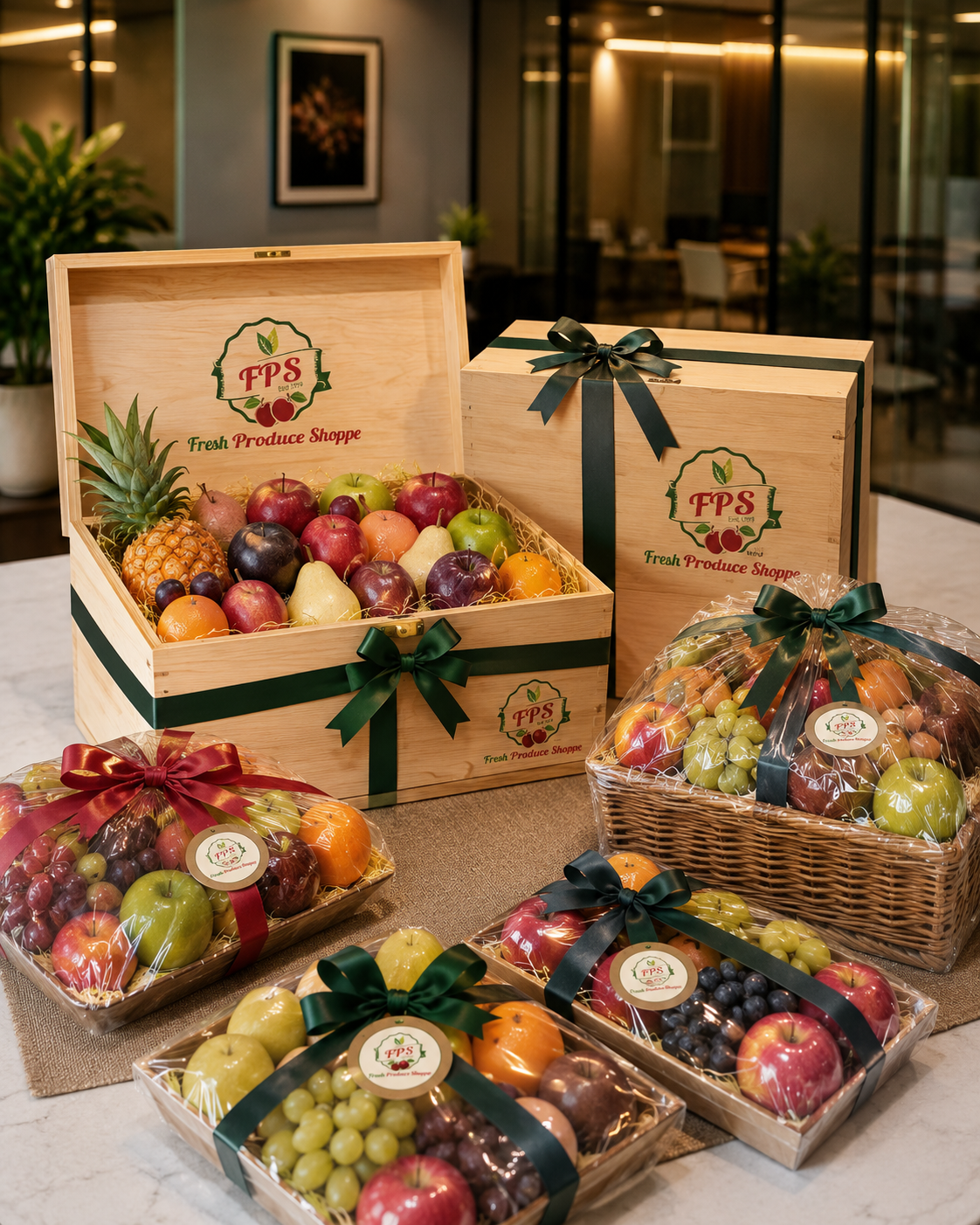
Whole apples, pears, guava, citrus and other commonly available fruits can form part of a varied office display. Variety gives people options based on taste, convenience and their own dietary plan. It also avoids making one fruit carry an unsupported health claim.
Presentation matters. Whole fruit keeps the choice simple and allows individuals to decide whether and when it fits their day. Cut fruit, juices and prepared servings involve different portion and handling considerations and should be planned separately.
- Several whole-fruit options
- Reasonable display quantities
- No universal suitability claims
- Separate planning for prepared fruit
Use clear, neutral communication
Pantry labels can name the fruit and, where helpful, the variety. They should not imply treatment, prevention or a guaranteed physiological outcome. Internal wellness communication can encourage employees to make informed choices without diagnosing needs or presenting the pantry as a clinical programme.
If an organisation wants formal nutrition guidance, it should engage an appropriately qualified professional. The fruit supplier’s role is to discuss produce, availability, packing and delivery requirements.
- Name produce accurately
- Avoid cure or prevention language
- Direct medical questions to professionals
- Keep supplier scope clear
Review the practical programme
As with any pantry programme, begin with a documented requirement and observe broad use patterns. Review assortment and quantity based on what employees choose and what remains, while protecting individual privacy. There is no need to collect health information to run a thoughtful fruit display.
A useful review asks whether the selection is fresh, varied, clearly presented and appropriate for the workplace schedule. Those are practical questions the facilities, HR and supply teams can answer together.
Never collect or expose employees’ health details as part of routine pantry planning.