


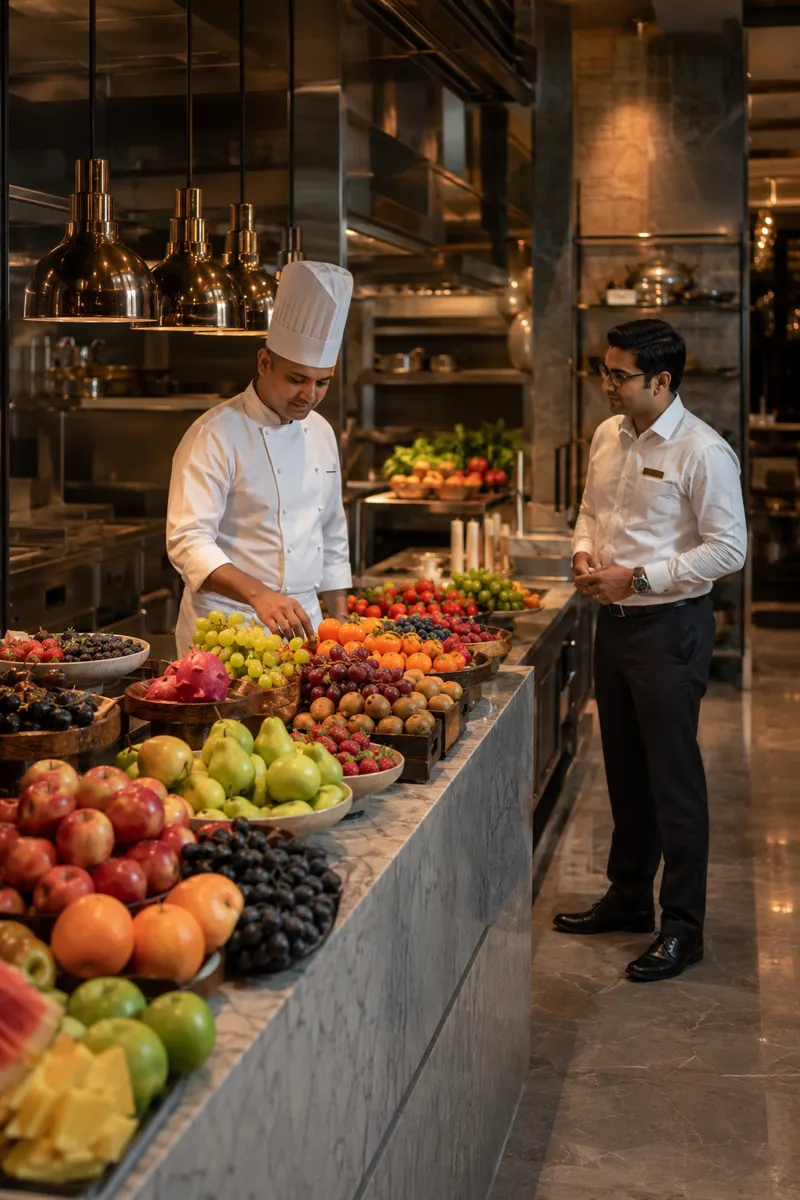
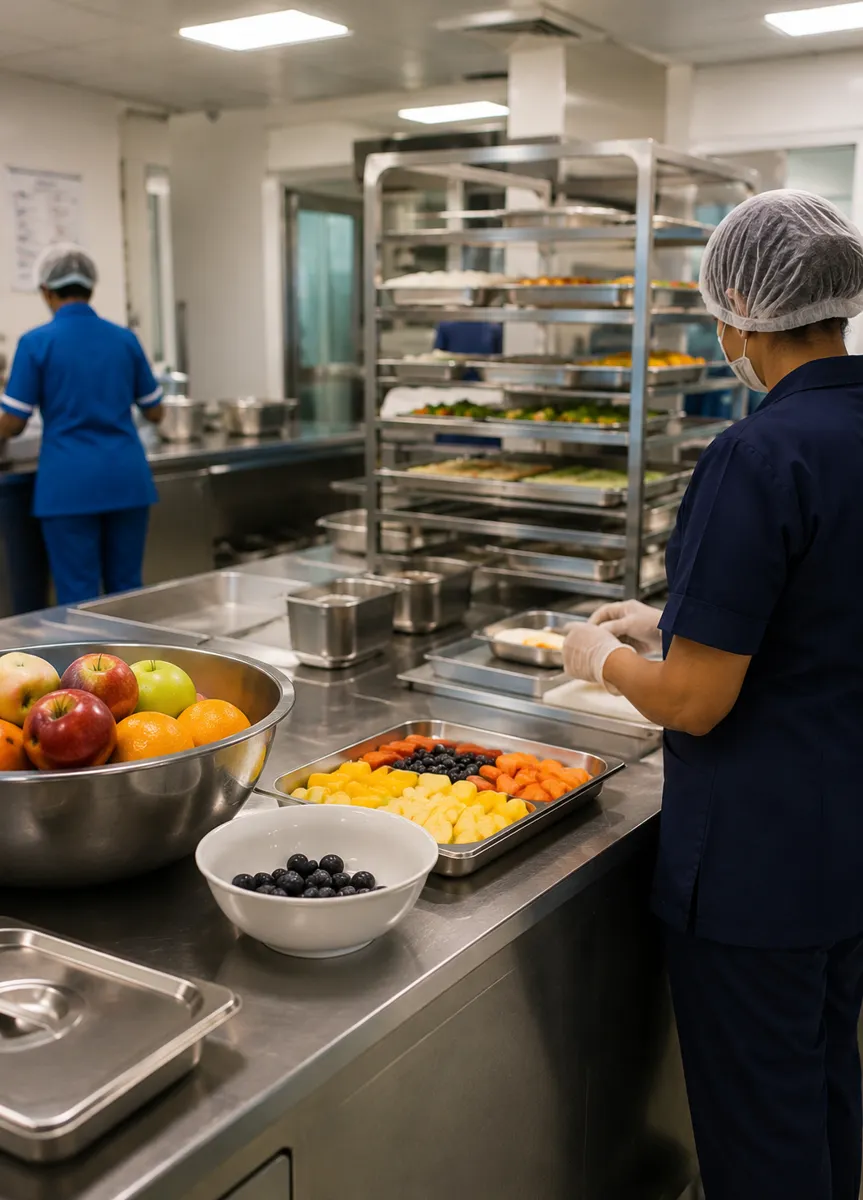
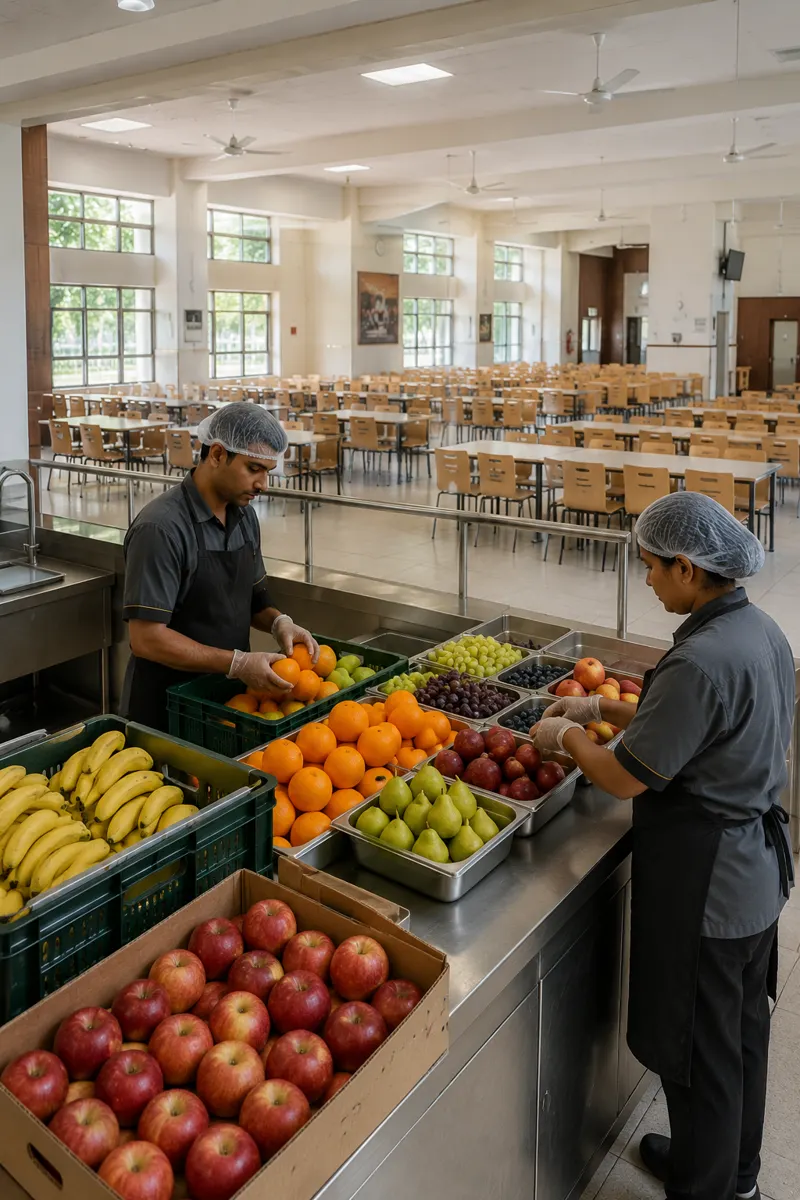


Assign a receiver and a backup
Choose the person or workplace role responsible for accepting the delivery. Confirm that they will be present during the agreed window and know where the order should go. A general reception desk may be able to acknowledge a vehicle but may not be responsible for food storage. Make that distinction explicit rather than assuming the first person who sees the delivery will manage everything.
Keep a backup arrangement for absence, meetings or a late shift change. Share the necessary business contact through the agreed channel, and ensure the receiver has the current order confirmation. They should not have to search through several personal message threads to discover the expected count. A simple handover record with date, order reference, pack count and any noted issue can provide a more useful operational trail than an elaborate form nobody completes.
Review the route from gate to storage
Check the physical path after the vehicle arrives. Security approval, service lifts, loading restrictions and distance to the pantry can all affect receiving. Tell the supplier where the agreed handover takes place and identify which internal movement belongs to the office. Delivery to reception is not automatically floor-by-floor distribution or placement inside a refrigerator.
If another contractor handles internal movement, confirm their role before the first service. Avoid a handover in which each party believes another person will move the order. Explain any venue restrictions, such as a gate that closes or a lift reserved for another service. The practical objective is a prompt, understood route to the appropriate storage or serving location, with responsibility clear at every point rather than a delivery waiting unattended while staff search for access.
Reserve suitable refrigerator capacity
Check usable storage capacity for the number and size of packs being ordered. A refrigerator that normally holds employee lunches may not have space for a large outer carton of fruit bowls. Ask about pack dimensions if capacity is uncertain, and agree whether outer packing can be removed as part of the workplace's handling process without affecting product identification.
Follow the storage instructions supplied for the actual order. Do not copy a temperature or storage duration from a different menu without confirming that it applies. General public food-safety guidance supports keeping cut fruit refrigerated, but an office should not invent a universal shelf life from that principle. If the available facilities cannot support the proposed quantity and service timing, discuss another delivery arrangement or fruit format before confirming the order.
Check against the written specification
Have the approved quantity, format and assortment basis available at receiving. Count bowls or labelled packs in a way that does not unnecessarily open individual servings. Confirm the allocation to floors or meeting rooms where relevant. If the order differs from the confirmation, record the affected quantity and contact the agreed workplace or supplier representative.
A receiving check should identify what the office can actually observe and compare. Do not claim a delivery has passed a laboratory test or a certification check merely because its packaging looks neat. If the product, packing or handling raises a concern, use the agreed reporting process and follow the applicable food-service procedures. Keep the order reference and a concise factual description so the concern can be reviewed without guessing which service or pack is involved.
Coordinate storage and the service time
Tell the receiver when the fruit will be used and who controls distribution. A training room break, a staggered employee collection and a night-shift service can require different arrangements. If the service is delayed, the fruit must continue to follow the supplied instructions; an agenda change does not automatically extend a prepared product's acceptable use period.
Avoid placing every bowl on desks far ahead of the intended break solely for convenience. Work out how prepared portions will move from suitable storage to the collection or serving point. Assign that task to a role that is available at the required time. Where the organisation uses trained food-service staff, bring them into the plan. The person ordering fruit should not unintentionally create a food-handling process that nobody in the workplace has agreed to operate.
Communicate instructions without adding claims
Employees should know where to collect their allocation and any supplied storage or consumption information relevant to it. Use the actual product instructions rather than an invented statement that all bowls remain suitable for a fixed number of hours. If ingredient or exclusion information is required, confirm what the supplier can provide and what the workplace will communicate.
Keep ordinary preference requests distinct from medical or allergy-related requirements. An individually labelled pack does not by itself guarantee allergen-free preparation. Employees with specific needs should use appropriate professional advice and the organisation should confirm capabilities before making a promise. Communication should help people understand the order they receive, not turn a general fruit service into unsupported dietary guidance or an assurance that every product is suitable for every person.
Prepare for absence, delays and leftovers
Agree what happens if the receiver is absent, the storage area is unavailable or the meeting moves. The response should involve the responsible team and the supplied handling instructions. Do not assume the supplier can make an immediate second delivery or move prepared fruit to another day without review. Those are service and product decisions requiring confirmation.
Track uncollected portions separately from product concerns. A bowl left because an employee was absent is not the same issue as an order that did not match the specification, although both affect planning. Follow the relevant instructions for remaining fruit rather than keeping it indefinitely to avoid recording waste. Use the count and explanation to improve the next order, especially where hybrid attendance or a change in break time was the main cause.
Keep a short receiving checklist with the order
A useful checklist names the order reference, service date, expected count, receiving role, backup, handover location, storage destination and service time. Include the route for reporting differences and keep product instructions available. Update the checklist when a quantity, format or receiving arrangement changes so staff do not rely on an obsolete version.
Fresh Produce Shoppe can review your workplace facilities while preparing a cut-fruit proposal. Use the desk subscriptions enquiry to describe the practical constraints before the first delivery. For general context, consult the CDC food-safety guidance linked with this guide; for the actual service, follow the instructions supplied with the order and your organisation's procedures. Good receiving is a defined responsibility supported by a workable process, not an assumption added after the fruit has arrived.