

Calculating office fruit quantities for a Gurgaon team
A practical guide to converting attendance into fruit quantities in Gurgaon, with a worked example, five purchasing decisions and a requirement checklist.
Read the guide Corporate WellnessDaily fruit programmes for offices across NCR.
 Event ManagementMango Manias, town halls & festive activations.
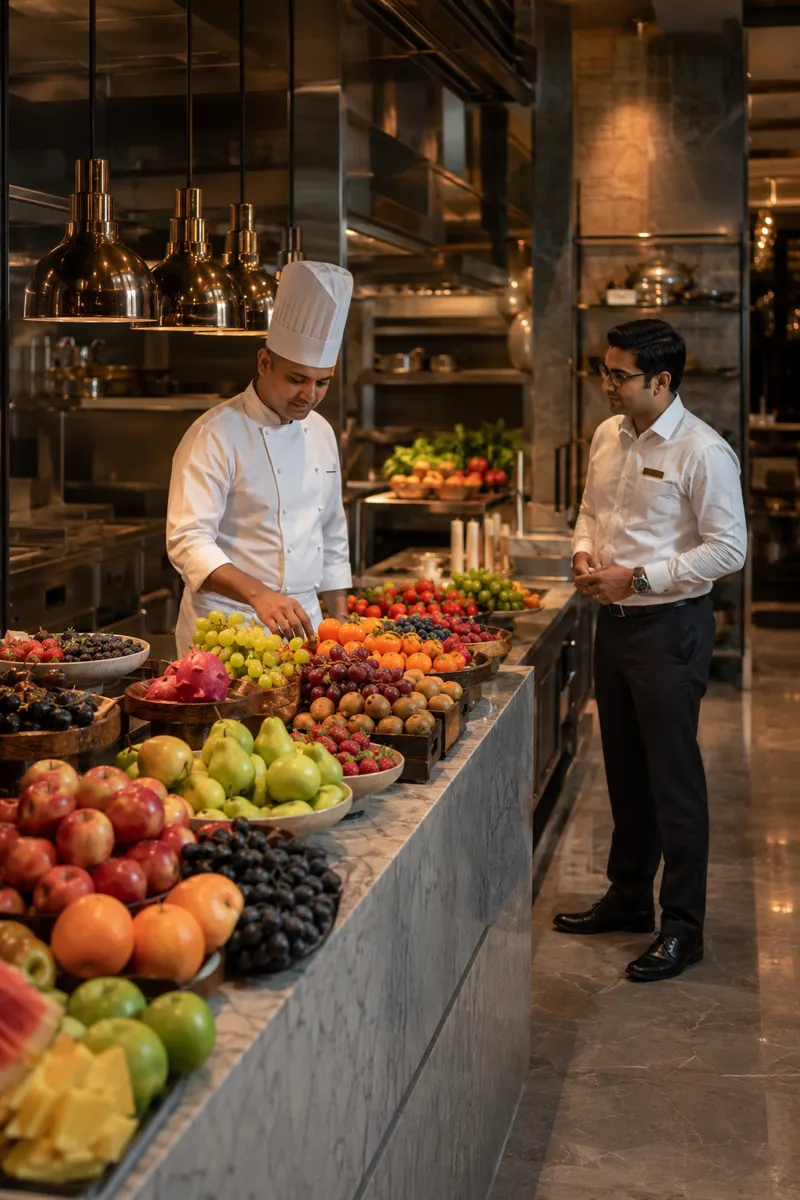 RestaurantsProduce supply planned around food-service requirements.
 HospitalsPatient-friendly fruit trays with strict hygiene.
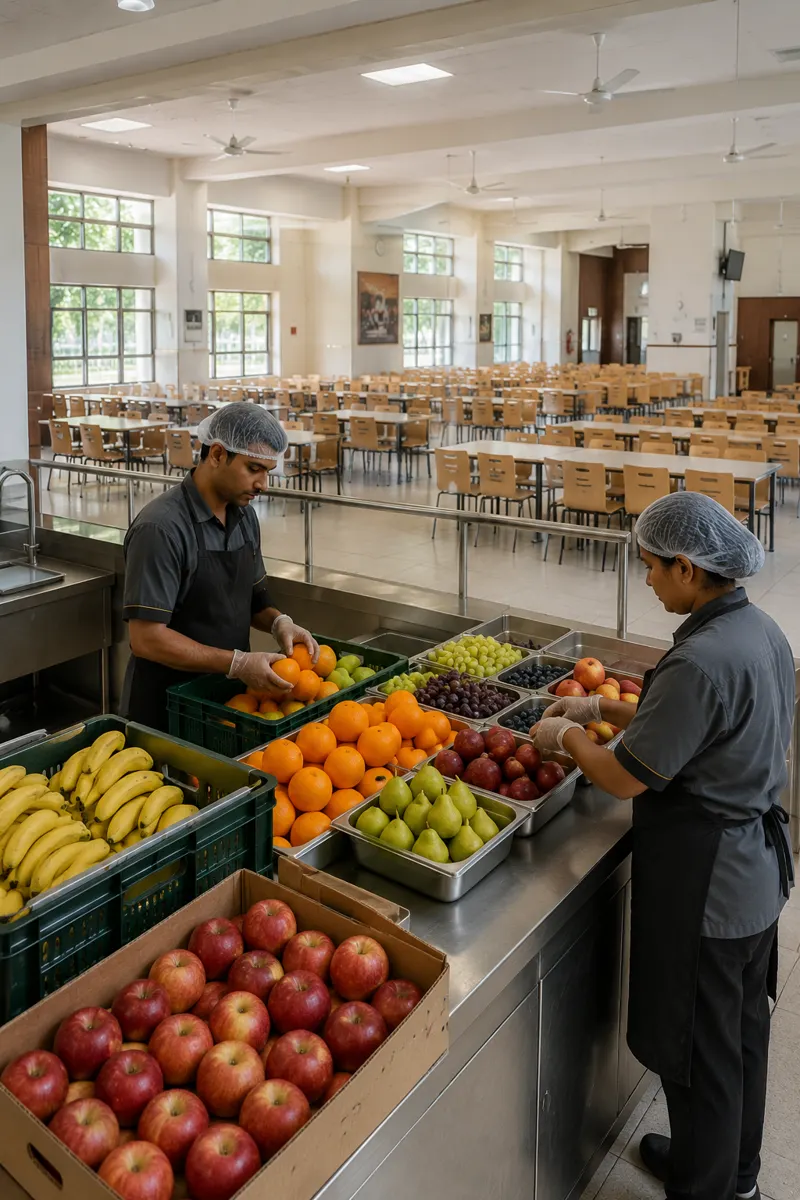 Educational InstitutionWholesome fruit programmes for schools & campuses.NGO, CSR & InstitutionalFresh-produce supply planned for institutional and community requirements.
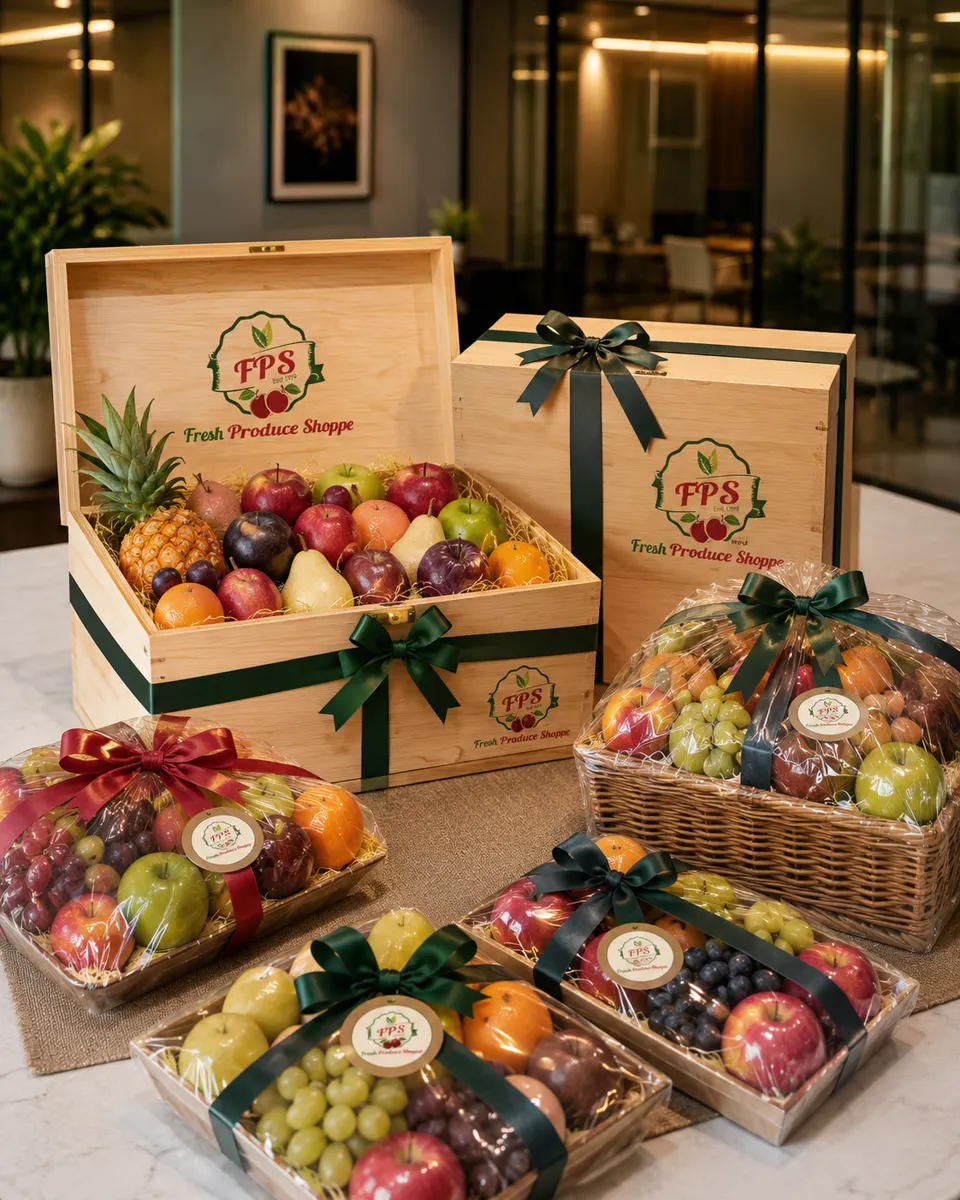 Gifting SolutionsPremium hampers for clients, employees & festivals.

A useful office fruit programme fits the working week, the pantry setup and the people actually using the workplace. Fresh Produce Shoppe reviews whole-fruit and seasonal produce requirements for Gurgaon businesses, including employee pantries, meeting refreshments, coworking spaces and company events. Tell the team how many people attend on each service day, where deliveries are received and how the fruit will be distributed. The proposed mix, quantity, frequency and commercial terms can then be discussed against an operational brief.
Gurgaon and Gurugram describe the same city in common customer searches. Offices across Cyber City, Udyog Vihar, Golf Course Road and other localities can have different access requirements and serving patterns, so the exact address still matters. This page explains the decisions behind recurring office fruit supply. The ten related articles develop individual topics, from attendance forecasting and budgeting to refills and employee feedback. Availability and route feasibility are confirmed for the receiving address and requirement.
Begin with aggregate attendance rather than total payroll. A company employing 250 people may have 140 in the office on one day and 200 on another. If the programme plans one whole fruit per attending employee, those numbers imply different daily allocations. Include separately authorised visitors, training groups or events as their own lines. This helps the facilities team understand whether a higher order reflects ordinary attendance or an additional activity.
Write down the serving assumption. A bowl intended for optional self-service will have a different uptake pattern from a fruit handed to everyone after lunch. Use the first cycles to compare the estimate with actual use. Record how much was delivered, placed in the pantry and left unused. Adjust the following order with that evidence rather than adding an arbitrary reserve indefinitely. Avoid collecting individual employees' health or food preference records for a basic stock forecast. Aggregate attendance and practical feedback usually provide the information needed for ordinary pantry planning.
Hybrid offices often have an uneven week. Collaboration days, leadership visits and scheduled team meetings can concentrate attendance into a few weekdays. Use an agreed forecast window so the fruit order reflects those patterns. A short weekly confirmation can identify known meetings, public holidays, planned closures and days with reduced staff. Make one person responsible for sending the final quantity changes to the supplier.
Consider whether the proposed delivery frequency fits the storage available between service days. A large early-week drop may require holding fruit until a quieter later day. Smaller separate drops may suit some patterns, with feasibility and costs needing review. The correct choice depends on maturity, handling, available space and the address. Confirm changes before the agreed cutoff so purchasing and dispatch can work from the same information. After a holiday week, return to the normal plan only when the attendance forecast supports it. This keeps the programme tied to actual demand throughout the year.

The assortment should reflect how employees will pick up and eat the fruit. Whole handheld fruit can be practical for a self-service pantry, while products needing washing, peeling, cutting or utensils require a suitable preparation and serving arrangement. Confirm who performs each task and what equipment is available. An office with a staffed kitchen can consider formats that a small reception bowl cannot support comfortably.
Balance familiar options with seasonal variety according to the organisation's requirements. Identify any restrictions through the company's established food-service process. Where employees raise individual medical or dietary questions, direct those questions to appropriate qualified support. The supplier can discuss products and handling, while the employer determines its programme policies. Keep the mix understandable to the receiving team and agree how changes are approved. Review popularity alongside size, ripeness, display location and serving time. A product left behind after a late refill may need a timing change rather than permanent removal from the menu.
Whole fruit and prepared fruit portions involve different operational decisions. For whole fruit, the buyer may specify piece counts, size ranges and maturity. For portioned fruit, the brief also needs the edible portion weight, fruit mix, preparation responsibility, packaging, service time and appropriate chilled receiving arrangements. Explain whether employees take individual cups or share trays. Confirm the proposed format and all relevant handling responsibilities with the supplier before ordering.
A meeting for 80 people receiving one 120 g portion each would need 9.6 kg of prepared fruit under that illustrative serving assumption. That figure is different from 9.6 kg of unprepared whole produce. Any preparation yield needs a measured or supplier-confirmed basis. Give the pantry team clear instructions for receiving and serving the agreed format. When the office lacks refrigeration or a suitable handling arrangement, discuss the serving plan before selecting prepared products. The intention is to match the food format to the workplace's actual facilities and service window.
Distribution inside an office deserves its own plan. List each pantry, floor, reception bowl or staff break area that will receive fruit. Allocate initial quantities using occupied desks and normal traffic. Equal baskets on every floor may leave the busiest pantry empty while a quieter floor carries unused stock. Give the person managing refills a simple allocation sheet and identify where reserve stock is held.
For example, an illustrative 180-piece allocation could be divided into 90, 60 and 30 pieces across three pantry points. The split should change when observations show a different demand pattern. Keep meeting-room allocations separate so an event does not unintentionally consume later pantry refills. Record the time of each refill during the trial period. A short record of pieces placed and pieces remaining can reveal whether the programme needs earlier display, smaller refills or a revised total. Confirm how the cleaning and facilities teams handle empty packing and any returnable crates after service.
Give the supplier the full Gurgaon address, building name, PIN code, receiving hours and authorised contact. Explain security registration, loading access and any lift or floor handover requirement that affects delivery. Offices in the same business park can use different gates or have different restrictions. Confirm the practical arrangement for your particular location rather than relying on a broad locality name.
The receiver should know the expected product lines and how to contact the programme owner. Use a concise check covering quantity, condition, agreed packing and approved substitutions. Keep any disputed stock identifiable and report discrepancies through the agreed process. Avoid asking security or reception staff to make an assortment decision they have not been authorised to approve. Where a delivery serves multiple offices, separate their quantities and paperwork even if procurement is centralised. After a change of building contact or operating hours, update the supplier before the next scheduled order so the delivery brief remains current.
Choose a planning unit that reflects the programme's purpose. Cost per accepted planned serving can help compare an employee fruit programme across proposed frequencies and assortments. Include produce and any agreed fulfilment charges. If preparation, packaging, additional delivery points or serving equipment are needed, ask how they are priced. Finance should confirm invoicing requirements and relevant tax treatment for the organisation.
Use illustrative arithmetic only to understand the comparison. A total of 12,000 rupees for 600 accepted servings equals 20 rupees per serving, but this is an example rather than a current Fresh Produce Shoppe price. Actual rates depend on the agreed requirement and current quotation. Track unused fruit and disputed quantities alongside purchase spend. A smaller purchase total may provide fewer useful servings, while a larger order may waste stock on quiet days. Review the budget with facilities and accounts after a trial. Confirm the recurring spend and the authority needed for later changes.
Choose an initial service pattern the office can manage reliably. Confirm the first order, receiving contact, pantry responsibility and review date before announcing the programme. Tell employees where fruit will be available and when the pantry team expects to serve it. If the programme is limited to selected days, communicate those days clearly. Avoid creating expectations beyond the quantities and schedule actually agreed.
A trial period can test attendance assumptions, assortment and distribution across floors. Ask employees short practical questions about the fruit's condition, ease of use and serving times. Compare that feedback with aggregate stock records. If a particular fruit remains, investigate the product, size, display and timing before making a broad conclusion. Make one change at a time where possible so the next cycle shows whether it helped. Keep launch feedback proportionate to the programme, and avoid collecting unnecessary personal information. Once the operating pattern works, document it as the basis for recurring supply and periodic review.
Measure leftovers by fruit and service day rather than treating them as a single weekly total. If Friday produces most unused stock, changing Tuesday's quantity may create a shortage without solving the Friday problem. Compare leftovers with attendance, display time, maturity and available storage. Fruit that arrived suitable for one planned service may become unsuitable if it is held for an unexpected additional day.
Review the programme as a sequence of purchased, accepted, displayed and unused quantities. Each figure answers a different question. A shortage at receiving requires a different response from fruit that was accepted but never placed in the pantry. Agree any permitted surplus handling through the organisation's authorised food-service procedures. Do not assume that redistribution or extended storage is appropriate for every product or situation. Use the findings to refine the next order and the refill method. The goal is a service pattern that matches real demand and the conditions the workplace can provide.
An ordinary employee programme can coexist with training sessions, guest visits and tenant events. Give those activities their own references and serving counts. A meeting with 50 guests can require an extra allocation even when total employee attendance stays the same. Decide whether participants use the ordinary pantry service or receive additional portions at the meeting room, then make the accounting consistent with that decision.
Coworking spaces need a similar separation between the included member offering, meeting-room refreshments and event purchases. Aggregate check-ins may be more useful than membership capacity for estimating kitchen demand. Confirm which staff member receives the order, who places fruit and who controls reserves for later activities. Where an event uses prepared portions, agree the handling and service timing separately. This prevents an otherwise successful meeting from appearing as unexplained pantry consumption. Review event costs against the appropriate budget so the recurring employee programme remains easy to understand.
Share the organisation name, exact delivery address, planned service days, aggregate attendance and preferred format. Indicate whether the programme covers whole fruit, portioned fruit subject to feasibility, meetings, gifting or several different uses. Describe available preparation and storage facilities where relevant. If there are multiple receiving points, list the quantities and contacts for each. Explain any products that are essential, flexible or excluded under the organisation's policies.
The Fresh Produce Shoppe team can review the brief and discuss suitable options. Confirm the final assortment, quantity, delivery arrangement and commercial terms before placing an order. For recurring supply, agree the process for attendance changes, seasonal alternatives, discrepancies and periodic review. The form on this page sends your request to the current FPS enquiry address. Use the related guides below for more detailed worksheets and worked examples. For a broader vendor assessment, visit the Gurgaon fruit vendor page. For kitchen, campus or event procurement, explore the bulk fruit supply page.
Store the current serving allowance, weekday schedule, receiving details and approved alternatives together. When ownership moves to another facilities colleague, this record gives the new person a usable starting point. Date each change and tell the supplier which version applies to the next order.
A practical guide to converting attendance into fruit quantities in Gurgaon, with a worked example, five purchasing decisions and a requirement checklist.
Read the guideA practical guide to planning fruit around hybrid attendance in Gurgaon, with a worked example, five purchasing decisions and a requirement checklist.
Read the guideA practical guide to designing a useful pantry assortment in Gurgaon, with a worked example, five purchasing decisions and a requirement checklist.
Read the guideA practical guide to building a transparent fruit programme budget in Gurgaon, with a worked example, five purchasing decisions and a requirement checklist.
Read the guideA practical guide to distributing fruit across pantry points in Gurgaon, with a worked example, five purchasing decisions and a requirement checklist.
Read the guideA practical guide to separating meeting fruit from pantry supply in Gurgaon, with a worked example, five purchasing decisions and a requirement checklist.
Read the guideA practical guide to turning employee feedback into order changes in Gurgaon, with a worked example, five purchasing decisions and a requirement checklist.
Read the guideA practical guide to reducing fruit left unused after service in Gurgaon, with a worked example, five purchasing decisions and a requirement checklist.
Read the guideA practical guide to launching a recurring employee fruit service in Gurgaon, with a worked example, five purchasing decisions and a requirement checklist.
Read the guideA practical guide to allocating fruit in a shared workplace in Gurgaon, with a worked example, five purchasing decisions and a requirement checklist.
Read the guideTell us what you buy, how much you need per delivery and where our team would deliver it.