



Treat the time slot as a service occasion
Write down what the time label means in your office. Morning might refer to a scheduled meeting break rather than the start of the working day. Afternoon could mean a pantry refill used over several staggered breaks. An evening order might serve a team event rather than everyone who was present at lunchtime. These distinctions affect quantity, format and receiving arrangements.
Avoid a menu that claims certain fruits must only be eaten before noon or should never be combined after work. The planner's time slots are for organising service, not prescribing a diet. Employees with individual medical or dietary requirements should seek appropriate professional advice. For workplace procurement, the useful questions are who will be served, how the fruit will be handled and whether the selected assortment is available for the intended date.
Plan a straightforward morning selection
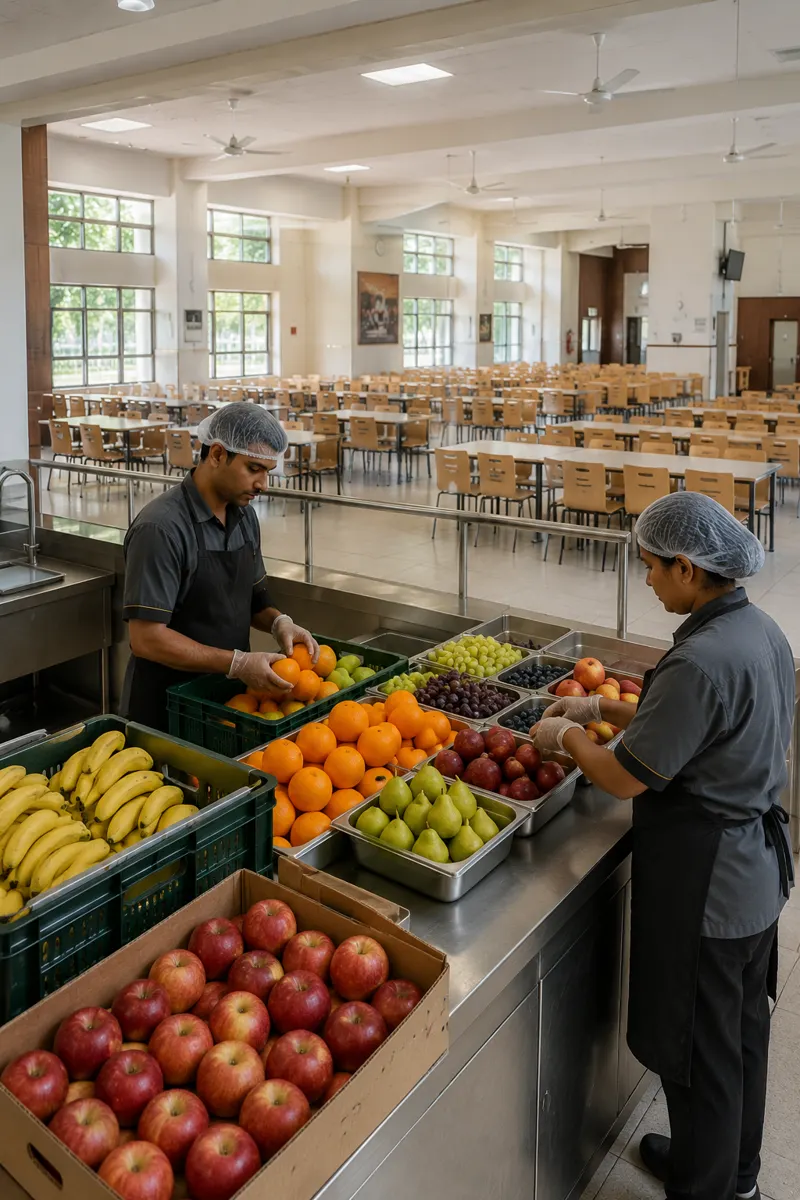
For a whole-fruit morning desk plan, apples, bananas and peelable citrus are examples to discuss. The actual selection should reflect employee preferences, fruit size, ripeness and season. Ask whether people will wash fruit at the pantry or receive a prepared format. The office should not advertise an allocation as ready to eat unless that matches the confirmed preparation and handling arrangement.
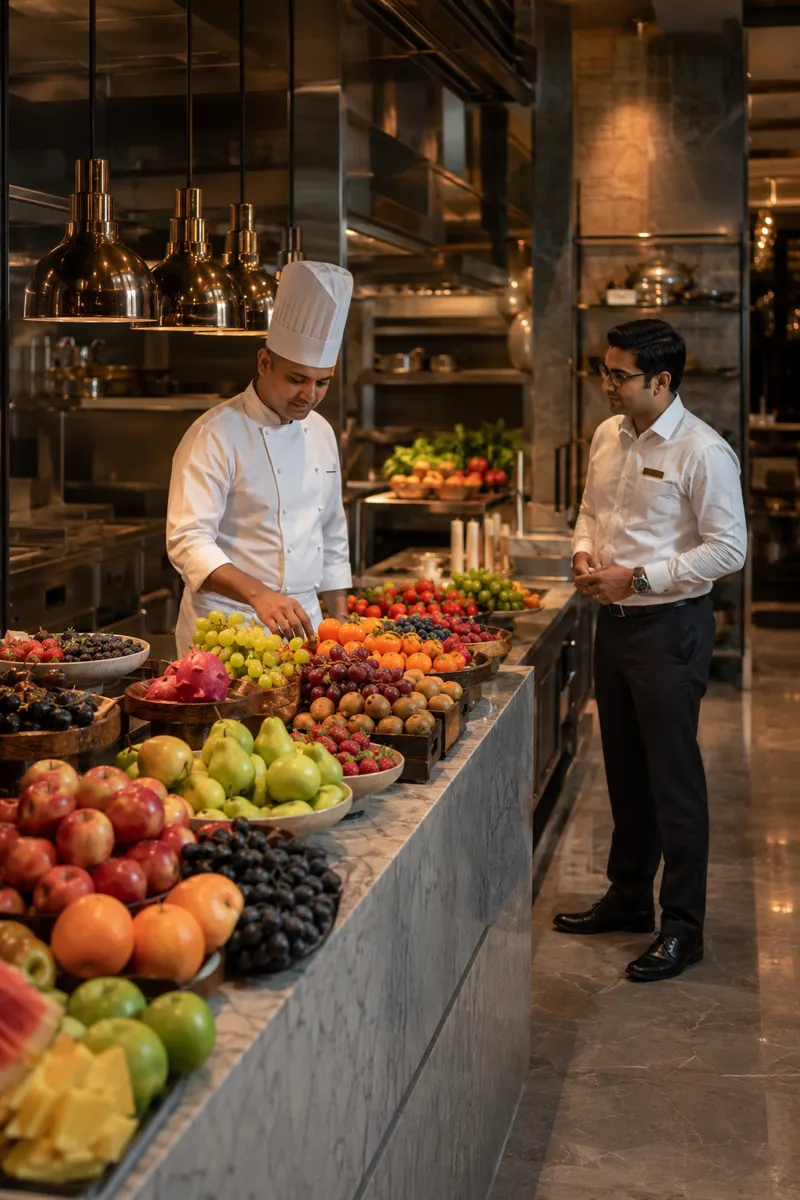
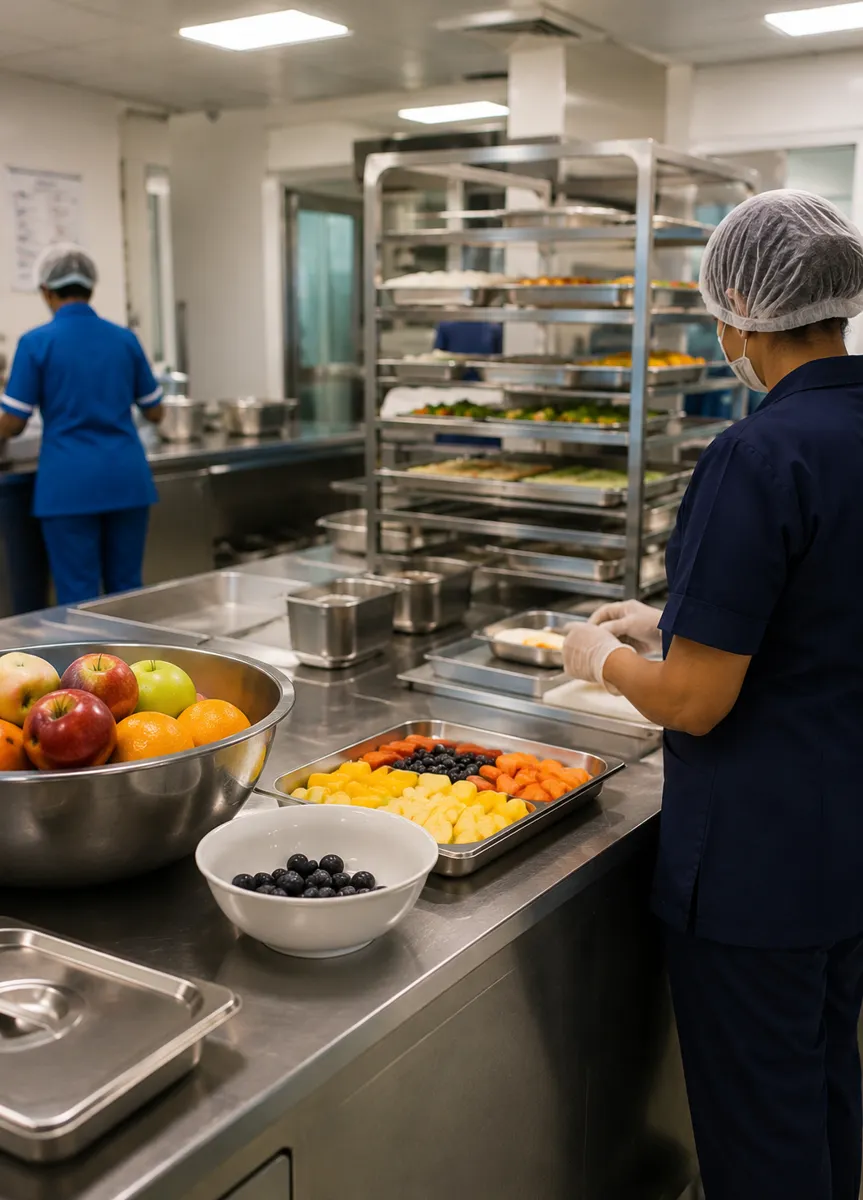
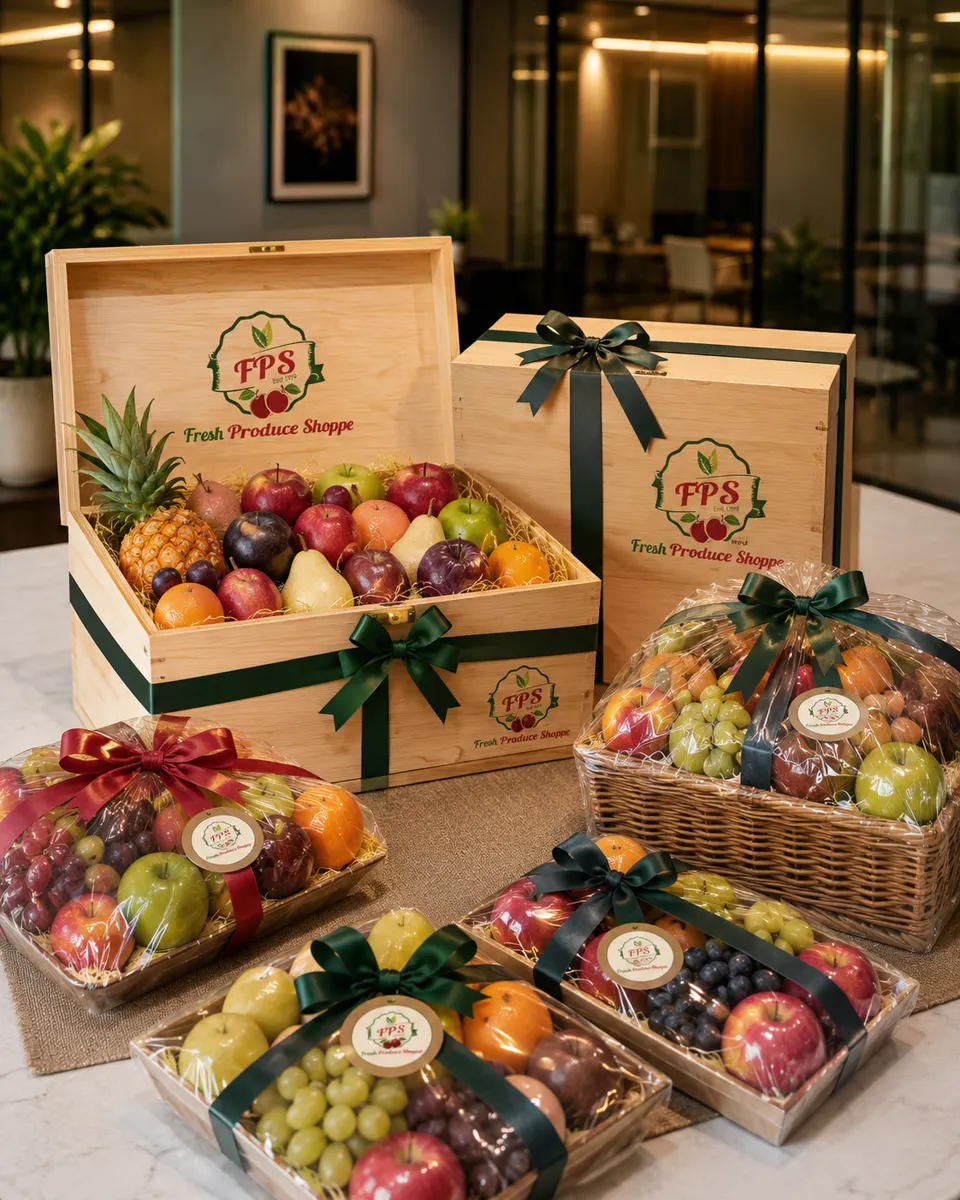
A morning meeting can create a different requirement. Mixed bowls or a prepared platter may be more convenient when delegates have a short break and no preparation area. Confirm the attendee count and when the room will be accessible. Arrange suitable receiving and refrigeration for cut fruit before service. A photograph of a colourful breakfast display can communicate presentation, but it should not replace the written specification for what is actually ordered.
Organise an afternoon pantry or desk break
Afternoon attendance often differs from the morning count. Some employees leave for meetings, while visitors or training groups arrive. Decide whether the fruit is a new serving or the same daily allocation offered at a later break. If it is a separate service, record its participants and quantities independently rather than multiplying the full office headcount automatically.
An illustrative prepared assortment might include papaya, pineapple and pomegranate, subject to availability and the preparation plan. A whole-fruit alternative might use pears, oranges and guavas. These are menu ideas, not claims of equivalent nutrition or guaranteed stock. Ask the supplier to review the chosen combination against the format, handling and intended service period. Keep substitutions and exclusions clear so a preference-led menu can change sensibly with the season.
Make evening snacks fit the actual event
Evening fruit may support a late meeting, an employee gathering or a reception counter. Start with the purpose and timing. A small team staying late needs a different arrangement from a company-wide event with several service points. Confirm whether the order requires one handover, individual allocations or a staffed activation, and do not assume those are included in the same price.
Whole-fruit options can be practical for a small desk group, while prepared platters may suit a scheduled gathering with serving equipment. For either format, clarify how the order will be received if regular pantry staff have left. Prepared fruit should follow its supplied handling and consumption instructions; it should not be left out for the entire evening because the event schedule is flexible. Agree who is responsible for the service area and any remaining food.
Coordinate multiple time slots without double ordering
If the office wants fruit in more than one time slot, prepare one combined schedule with separate lines for each service. Identify whether the same employees receive multiple servings or simply have several opportunities to collect their one allocation. That decision belongs in the workplace brief because it affects both purchasing and employee communication.
For example, an office could plan 40 morning desk allocations, 25 afternoon meeting bowls and an evening platter for 12 confirmed guests. The total is not automatically 77 identical servings: the formats, weights and receiving arrangements differ. A consolidated brief helps FPS review those requirements together. It also lets the receiving team check which packs belong to which service, reducing the risk that an evening allocation is distributed during an earlier break.
Use variety without creating a confusing menu
A useful rotation can change the fruit selection while keeping the order structure familiar. Agree the serving basis, core preferences and substitution rules, then review the actual assortment near supply. Avoid listing every possible fruit on every day; an office needs a practical programme, not a catalogue that looks fixed when it is only illustrative.
Collect feedback about taste preferences and convenience using a few clear questions. Was the selection enjoyed, was it easy to eat and did the service time work? Do not ask a fruit programme to prove changes in energy, immunity or productivity without an appropriate basis. For procurement, participation, collection and operational feedback provide a more direct view of whether the office arrangement is working as intended.
Check receiving and storage for each service
A suitable arrangement in the morning may not exist in the evening. Refrigerator capacity can change, reception staffing can reduce and meeting rooms can become unavailable. Review those conditions for every requested slot. If one delivery is intended to cover later service, confirm with the supplier whether the selected product and supplied instructions support that plan.
Use the same receiving discipline at each handover: identify the order, count the packs, check against the agreed specification and move prepared fruit into the appropriate storage or service process promptly. If a delay or unexpected condition occurs, contact the responsible team and follow the relevant instructions. Do not invent a new holding period simply because the planned break has moved. A schedule should support the food-handling plan rather than override it.
Turn the ideas into one clear enquiry
Use the fruit planner to explore morning, afternoon and evening combinations, then add your workplace context. State the date, people per service, whole or prepared format, preferred selection, exclusions, delivery address and receiving arrangements. Where a quantity is an estimate, say when it will be finalised and who will approve it.
Fresh Produce Shoppe reviews the proposed combination and schedule before confirming availability, packing, price and delivery scope. The enquiry is a starting brief, not a confirmed order or medical recommendation. Keep the final approved version with the receiving team and make employee communication match it. When the menu, allocation and service time are clear, fruit can become a straightforward part of the working day rather than another task people have to interpret.