



Understand fibre as part of a whole eating pattern
The NIDDK's nutrition guidance for constipation identifies fruits among fibre sources and advises adding fibre gradually with enough liquids. Its recommendations concern individual dietary management. An employer cannot translate them into a universal digestive treatment delivered through a standard office fruit bowl.
For service planning, think in terms of useful food access. Employees eat meals and snacks outside work, have different preferences and may already follow an individual eating plan. The office offer is one opportunity within that wider day. Make the assortment clear and let people choose whether it fits them. Resist the temptation to label a snack programme a gut reset when no such outcome has been established for the product or the employees receiving it.
Avoid making the microbiome a purchasing shortcut
The term microbiome can sound impressive in a presentation, but it does not turn a fruit mix into a clinically assessed intervention. Different foods, dietary patterns and individual circumstances matter. A list of ingredients alone does not establish that a particular office combination will alter a person's digestive health in a predictable way.
Describe the actual product instead: a whole-fruit pantry selection, an individual prepared bowl or an assortment agreed for a meeting. If the supplier makes a specific health claim, ask for the evidence supporting the actual product and wording. Do not assume a claim is valid because a source mentions fibre in general. The buyer needs a clear specification and reliable delivery. Employees need honest information and the freedom to decide, with individual advice where appropriate, whether the offer suits them.
Recognise that no single fruit supplies every nutritional need
Variety helps a menu remain interesting, but a colourful photograph does not prove nutritional completeness. The NHLBI DASH guidance presents fruits alongside several other food groups within a balanced eating pattern. Its broader approach is a better context than assigning a complete-health role to one snack.
For an office, variety can mean rotating a manageable selection of familiar fruits across service days rather than putting many ingredients into every bowl. The procurement team can maintain a few core choices and invite seasonal alternatives. Employees who prefer a simpler option should not have to choose between a complicated mixture and nothing. Keep the confirmed ingredient information visible and do not disguise an unapproved substitution under a broad menu name such as fibre blend.
Compare whole fruit with prepared servings on practical grounds
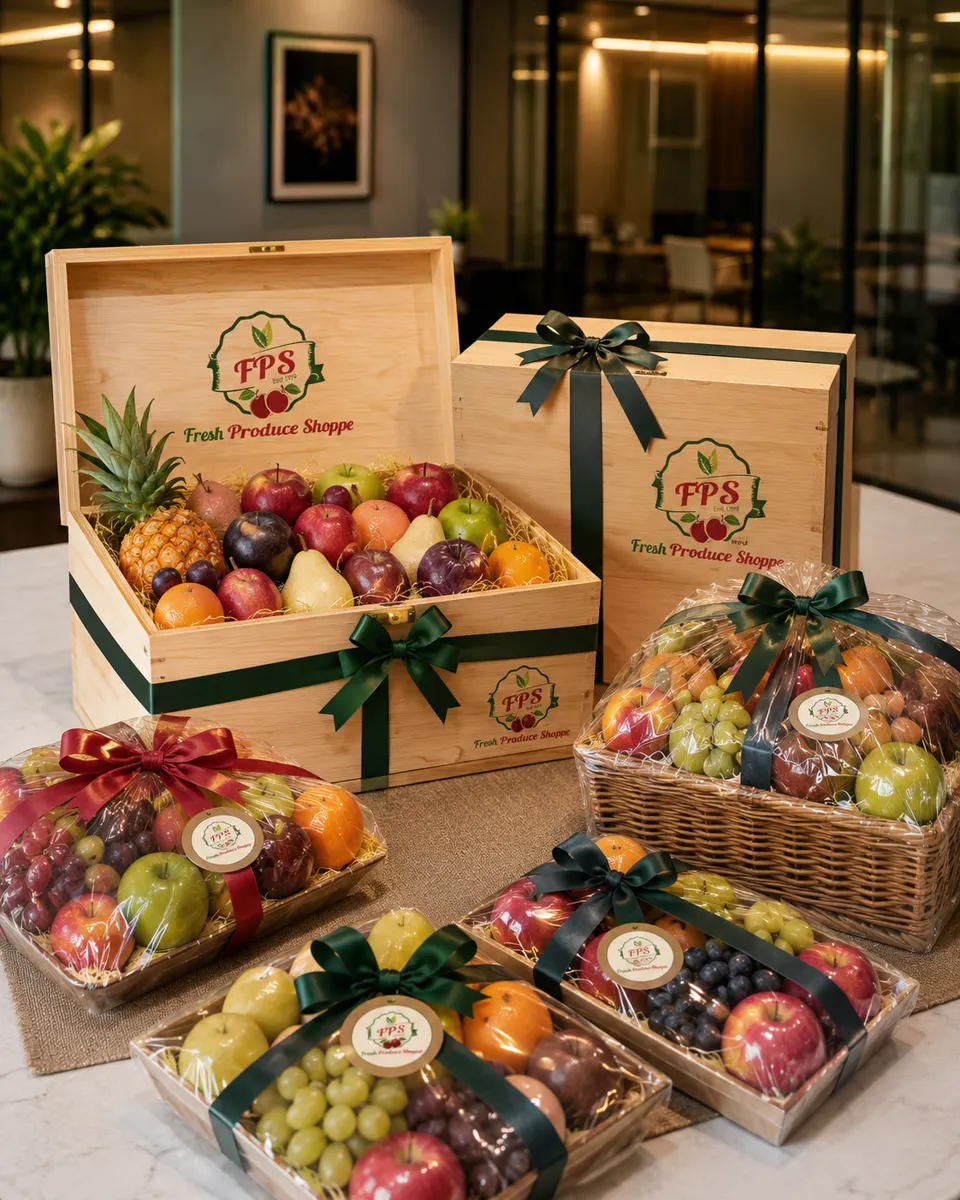
Whole fruits can be easy to allocate and allow staff to choose one item at a time. Prepared portions may be more convenient for a scheduled break or a workplace without suitable preparation facilities. The format decision should include receiving, washing or preparation responsibilities, storage, utensils and the intended consumption period.
Do not assume that cutting a fruit makes it inherently better for digestion or that a whole-fruit pack is automatically appropriate for everybody. A supplier can describe its serving format and handling instructions. It cannot infer individual tolerance from a corporate headcount. If the team is weighing formats, use the whole-fruit and prepared-bowl comparison as an operational checklist. A format comparison is separate from a personal dietary recommendation.
Plan variety without ranking employees' choices
An office menu might offer apples, pears and citrus one day, then another confirmed assortment on a later service. The exact fruit depends on availability and agreed requirements. There is no need to attach a digestive-health score to each choice or announce that one employee's selection is superior to another's.
Let staff choose an appropriate available option, decline a serving or raise a preference through a private channel. Public lists of who eats what are unnecessary for a routine supply programme. Ask what fruits people enjoy and which formats work for them, without requiring an explanation of medical symptoms. A plain request to leave a fruit out can be recorded as a service preference. If a requirement concerns an allergy or a medical restriction, the organisation and supplier need to confirm the relevant capabilities rather than treating an ordinary preference note as a safety guarantee.
Use portion information accurately
A serving specification should say whether it refers to whole pieces, purchased weight or prepared edible weight. These are different units. A crate of whole fruit includes parts that will not be eaten, while a labelled prepared portion should describe what is actually being supplied under the confirmed specification.
If an illustrative meeting order requires 30 prepared portions at 150 grams, the prepared quantity is 4.5 kilograms. That is an order calculation, not an instruction that everyone should eat that amount for gut health. Different fruits also vary in size and preparation yield. Ask the supplier to confirm how the order is calculated and how substitutions will be handled. Avoid comparing a quotation per kilogram of whole fruit with one per prepared bowl without accounting for the different scope.
Keep drinking water and basic facilities in the plan
A fruit offer should not distract from ordinary workplace facilities. Employees need access to drinking water and the ability to take agreed breaks. If a programme is introduced while the pantry has no practical collection space or staff cannot leave a station, the service design needs attention. Buying a different fruit will not resolve those constraints.
Check the physical journey from receiving to the employee break. Can staff wash whole fruit where that forms part of the arrangement? Are utensils and bins available for prepared servings? Is suitable storage provided? Are instructions easy to understand? These questions are within the buyer's control and directly affect whether people can use the benefit. They are more actionable than asking a supplier to promise a particular digestive response after the fruit is eaten.
Respond sensitively to employee feedback
Some staff may say a fruit does not suit them. Accept the preference without asking them to discuss symptoms in a group message. A useful response is to note the fruit, discuss an available alternative or allow the employee to decline. The ordering team does not need to explain the person's digestive system to record a preference.
If feedback identifies a product concern, such as an unexpected ingredient or an order that did not match its confirmation, route that concern through the service process. If the question concerns an individual's health, direct them to an appropriate professional rather than improvising advice. Keep these channels separate. A pantry preference survey should not become a medical questionnaire, and employees should not feel that accepting a company snack obliges them to disclose personal health information.
Do not market fruit as a universal solution for discomfort
Food advertising can move too quickly from a nutrient's role to a promise about a person's experience. Avoid statements that a bowl cleans the gut, guarantees regularity or cures bloating. Those claims are not established by showing that fruit can contain fibre.
The NIDDK's constipation treatment resources describe a range of approaches and the role of healthcare advice. That context reinforces why a workplace supplier should stay within its service role. Persistent or concerning symptoms deserve appropriate assessment. An employer can make a useful food option available while leaving personalised dietary management to qualified guidance. Good sourcing, clear information and sensible service arrangements do not require a dramatic digestive-health slogan.
Build a menu brief around practical requirements
State the expected participants, service dates, fruit preferences, format, available facilities and any required exclusions. Explain whether staff will collect individually or receive an allocated portion. Give the supplier the actual location and receiving window, including building access arrangements where necessary.
Add the method for approving alternatives. For example, the buyer may accept another familiar whole fruit if it meets the agreed format and employees receive updated ingredient information. Another programme may require an explicitly confirmed assortment for a particular event. These are commercial and operational decisions. The supplier's response should establish what can be delivered, how it is handled and what it costs. It should not be expected to infer medical suitability for every participant from the phrase healthy office fruit.
Run a voluntary preference trial
A small trial can help the team learn whether people use and enjoy the offer. Pick a representative service day and a realistic collection process. Include the intended receiving and storage arrangements so the pilot tests the actual operation rather than a special one-off display that cannot be sustained.
Ask short questions about flavour, texture, ease of eating and the collection time. Do not ask participants to rate bowel habits or submit health records to justify a recurring fruit order. Record leftovers and reasons where known. If a mixed bowl is repeatedly left but whole fruit is chosen, consider whether choice, format or timing explains the difference. That is practical service feedback. It does not prove that one option changes the workforce's digestive health more than another.
Keep food-handling rules visible
Prepared fruit needs the handling arrangements appropriate to the order. The FDA's safe produce guidance includes refrigeration for purchased pre-cut produce. General guidance should support, rather than replace, the actual instructions and workplace food-service procedures.
Before delivery, name the receiver and a backup, check storage capacity and identify who distributes the servings. If a break moves, staff need to know the agreed response. Do not leave a prepared bowl unrefrigerated for a long shift simply because it carries a health-focused label. A programme intended to support wellbeing must first operate in a suitable way. Food format and handling are connected decisions; promotional language does not change a product's storage needs.
Questions employees and workplace buyers often ask
Does every fruit have the same fibre content? No. Fruits and serving sizes differ. If exact nutrient figures are needed, use a suitable food-composition reference and the correct edible quantity, or seek professional advice. A mix name or image does not provide a dependable nutrient calculation for an unspecified serving.
Should the office promote a high-fibre challenge? A voluntary fruit offer does not need a dietary challenge. Staff may have individual needs and different eating patterns. A neutral invitation is usually more inclusive than requiring everybody to reach a target through a company snack. Keep general information separate from personalised advice.
Is a prepared bowl better for the gut than whole fruit? The format alone does not establish that claim. Compare the actual ingredients and serving, but make the workplace decision around convenience, facilities, confirmed requirements and handling. Do not make a digestion promise simply because the fruit has been chopped.
Can we record excluded fruits in the planner? Yes. The fruit planner can carry preferences into a proposal enquiry. Availability, preparation and any allergy-related requirements must be confirmed directly. A saved exclusion is not certification of an allergen-free process or an individual dietary assessment.
A practical programme example and next steps
Consider an illustrative office that wants a more varied snack offer while keeping procurement simple. The first brief includes two whole-fruit choices for one service and an optional prepared assortment for a scheduled team day. The buyer describes collection, handling and expected attendance, then lets the supplier propose feasible fruit rather than promising an elaborate daily menu immediately.
After the trial, the team reviews whether people could access the service and whether the formats were convenient. It adjusts quantities and preferences, but makes no claim that staff digestive health changed. That leaves a useful, honest outcome: a fruit offer that is easier to use and better understood. Build a draft through the office fruit planner, review the broader office fruit service and read about measuring a fruit programme before deciding how to report the pilot's results.
Keep educational messages separate from menu administration
If the office shares a nutrition resource, make it available as optional reading rather than attaching a health questionnaire to the collection process. Employees should be able to understand the fruit selection without disclosing bowel symptoms, diagnoses or medication. The menu administrator needs enough information to discuss a practical preference or exclusion, not a personal clinical history. Establish an appropriate private route for questions that go beyond the ordinary order.
An illustrative pantry notice could name the available fruits, show the service window and link the original dietary resource for anyone interested. It should not label individual employees as needing more fibre or claim that a particular bowl will resolve a symptom. Keep the purchasing record focused on quantity, format and confirmed instructions. When a concern is personal, respect the employee's established professional advice. This separation allows the organisation to offer useful general information while running a straightforward fruit service that does not pretend to provide individual diagnosis or treatment.
When sharing this information internally, preserve the source links and the distinction between general education and individual advice. A short pantry notice should identify the selection and collection process clearly. Employees can then choose whether to read the broader nutrition information without being asked to explain personal health circumstances to the team managing the counter.