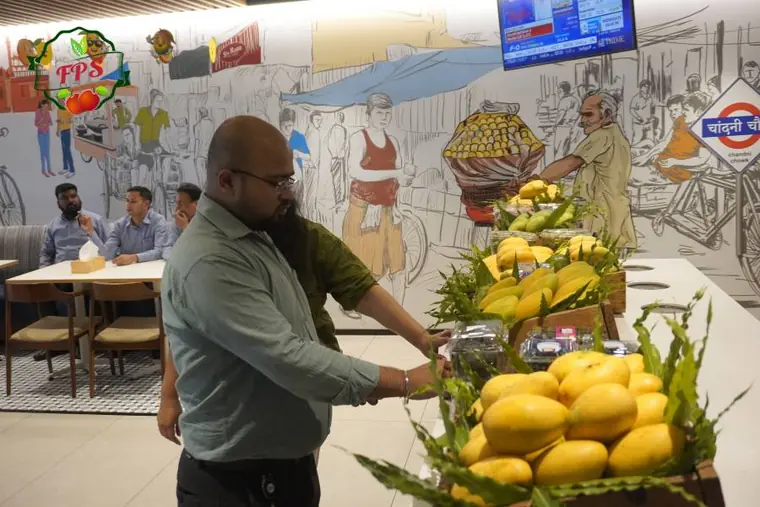
Begin with the occasion rather than the product photograph
An everyday pantry, a breakfast meeting and a hospitality counter serve different purposes. In a pantry, employees may want something they can collect during a short break. A meeting may require a defined allocation distributed at a scheduled time. A visitor event may have a broader refreshments menu. The buyer's first task is to identify which occasion the order is intended to support.
Write the service objective before requesting a quote. For example, offer a fruit option to employees on the main attendance days is a clearer objective than provide something healthy. The first statement can lead to questions about collection, allocation and use. The second can hide disagreement about whether the office wants a snack, a drink, a meal component or a decorative display. Product selection becomes easier when the people making the decision agree on the actual job the service needs to do.
Understand the nutrition distinction without oversimplifying
The WHO healthy diet guidance classifies sugars naturally present in fruit juices within free sugars, for which it recommends limits. That is one reason juice should not automatically be treated as equivalent to whole fruit in an office snack plan. The guidance concerns the overall diet, not a verdict on one employee's drink.
Avoid turning that distinction into a judgement about people. A workplace can offer a whole-fruit choice and explain the selection plainly. It does not need to monitor who drinks juice or attach a moral label to the refreshment counter. Individual requirements, preferences and the rest of the person's diet remain relevant. The supplier can clarify whether the proposal contains whole fruit, prepared fruit or a beverage; it cannot infer an employee's complete dietary pattern from a single office order or advise on personal medical suitability.
Read the exact beverage description
The word fruit on a label does not tell the buyer everything about a drink. Ask for the exact product description and, where relevant, the ingredient information supplied with it. Do not assume a juice, a fruit drink and a blended product have identical contents, packaging or instructions. A photograph of oranges on a proposal does not settle those questions.
If the organisation is comparing beverages, use the actual specifications rather than a generic category name. Record the package size, the quantity supplied, the storage requirements and the intended allocation. If a serving is poured from a larger container, identify who manages that service and what equipment is needed. Keep beverage purchasing distinct from a whole-fruit piece count so the comparison remains readable. Two products can have similar headline prices while representing very different allocations and responsibilities for the office team.
Compare whole fruit with prepared fruit separately
Whole fruit and prepared fruit both appear in fruit programmes, but preparation changes the operational brief. A whole-fruit offer needs a suitable way to receive, make available and use the items. A prepared bowl needs the agreed receiving and storage process for that product. A platter may need utensils, a service counter and a person who manages the planned break.
Use the whole-fruit versus prepared-bowl guide for a format-focused comparison. Avoid combining every option into a single price per fruit break until the units are defined. A piece, a prepared weight and a drink container are different measures. The right format is the one that fits the occasion, confirmed instructions and employees' practical access. An attractive prepared selection can be a poor fit for an office that has not arranged suitable storage or a clear service time.
Look at the route from delivery to consumption
Draw the route in a few simple steps: delivery, acceptance, storage where required, collection or service, and clearing the area. For each step, name the responsible person or team. This exercise often reveals a hidden assumption. Procurement may expect reception to manage food; reception may assume the pantry team will collect it; the pantry team may not have been told that a delivery is coming.
Compare each product against that route. A whole-fruit selection may be easy to allocate but still need practical washing arrangements. A beverage service may require cups, refrigeration or cleaning. A prepared selection may need a more specific service window. Do not choose solely on which product appears simplest in a catalogue. Ask the people carrying out the work what they can manage and what information they need. Their feedback turns a product comparison into a workable service decision.
Make the quantity comparison fair
A procurement spreadsheet should show the unit, planned participants and total service quantity. If one proposal quotes whole pieces and another quotes prepared weight, retain both units rather than forcing a misleading conversion. If the office wants a per-person budget comparison, ask each supplier to state what the proposed allocation actually includes. Keep any assumptions beside the calculation.
For an illustrative meeting of forty people, the buyer might request a defined whole-fruit allocation and a separate prepared-fruit proposal for the same event. If a beverage option is also considered, request its own specification and quantity. This is a comparison exercise, not a recommendation that all three be ordered. Delivery terms, packaging and responsibilities should remain visible. A lower headline total does not explain whether the proposal serves fewer people, uses a different allocation or shifts preparation work onto the office.
Consider the employee's physical setting
A desk, a shared pantry and a standing networking event place different demands on refreshments. Ask whether someone has a place to put a bowl, access to a bin or enough time to peel a fruit. Consider how a person carrying a laptop or moving between rooms would collect the item. These details can influence acceptance more than the breadth of the assortment.
Do not assume everybody wants the most convenient-looking option. Some employees prefer whole fruit; others may value a prepared format for a particular break. Ask about the setting and offer a clear route for feedback. Where an individual needs a different texture or has a dietary requirement, discuss the service question privately and confirm what the supplier can actually provide. A preference recorded in a form should not be presented as a guarantee that a product meets every personal requirement.
Keep water and meal provision visible
A fruit programme is one part of the workplace food environment. It should not obscure questions about drinking water, adequate breaks or access to meals. If employees are using a snack counter because a meal service is unavailable, buying a more elaborate fruit selection may not address the underlying problem. Coordinate with the relevant office and catering teams before presenting the programme as a complete solution.
For summer planning, the office fruit and hydration guide discusses the distinction between food choices and water access. Keep the communication simple: what is offered, when it is available and how it fits the day. A fruit option can be useful without needing to replace a meal or claim a specific health outcome. Wider facilities concerns should be documented and assigned to the team that can resolve them, rather than added as vague expectations to a supplier's order.
Use product-specific handling instructions
The FDA's produce guidance includes advice to refrigerate purchased pre-cut produce. The practical office decision is to confirm the instructions for the actual product and ensure the workplace can follow them. Do not infer shelf life or suitability from whether an item looks fresh in a photograph.
Keep relevant instructions with the order confirmation and tell the receiving team where to find them. Ask what should happen if the planned service is delayed, a package arrives with a concern or the storage arrangement is unavailable. The cut-fruit receiving guide can help prepare those questions. Different products need their own review; a procedure written for a whole-fruit delivery should not automatically be copied onto a prepared selection or beverage service. Clear instructions reduce the chance of an improvised decision after arrival.
Run a comparison that employees can understand
If the organisation is trialling a new format, explain what is being tested. Ask whether the option is easy to collect, suits the break and is something employees would choose again. Avoid presenting the exercise as a test of how health-conscious the workforce is. A person may prefer another format for practical reasons that have nothing to do with motivation or knowledge.
Keep the comparison modest and useful. For example, review a whole-fruit pantry offer on routine attendance days and a prepared selection during a planned meeting. Note the different occasions so the result is not misrepresented as a controlled nutrition experiment. Counts and feedback can guide a service decision, but they cannot establish that one option improved health or job performance. Use the office fruit programme measurement guide to separate service observations from claims that require a different kind of evidence.
Avoid common buying and communication mistakes
One mistake is to use the word fresh as a substitute for a specification. Another is to treat all packages bearing fruit imagery as nutritionally identical. A third is to compare prices without understanding quantities or preparation responsibilities. These errors make the decision harder to explain and can leave the receiving team managing work that was never discussed.
A communication mistake is to promise that replacing one refreshment will produce a guaranteed result for every employee. Keep the objective within the buyer's control: make an appropriate option available, manage the agreed service and learn from use. Describe product differences accurately and keep personal choice respectful. If an internal campaign includes nutritional claims, retain the source and make sure the wording does not exceed it. The office fruits and health guide provides a broader explanation of what workplace fruit evidence can and cannot establish.
Answer the questions buyers often ask
Is whole fruit always the right format? It can be a useful option, but the service setting matters. Consider access, preferences, preparation facilities and the intended break. A whole-fruit offer is not automatically convenient for every person or every event. Ask employees and the team managing the counter before making the format a permanent rule.
Can juice and fruit appear in the same refreshments plan? They can be considered as distinct products with clear quantities and descriptions. Avoid treating one as an automatic nutritional or operational substitute for the other. If the organisation wants to review its wider menu, involve the responsible catering or wellbeing team and use the actual product information.
Does prepared fruit require a different buying brief? Yes. Record the format, intended service, receiving contact, storage arrangements and instructions for the actual order. Ask how quantities are stated and what should happen if the meeting changes. Preparation should make the planned experience clearer, not leave essential responsibilities undefined.
How do we choose without collecting sensitive information? Ask ordinary preference and service questions: whether people can access the offer, whether the format suits the break and what they would like to see changed. Provide a private route for individual requirements. A corporate purchasing survey does not need diagnoses or detailed dietary histories to produce a useful menu brief.
Build the brief in the fruit planner
Use Plan Your Fruit Break to explore whole-fruit and prepared-fruit ideas, select people and delivery days, and record the mix the team wants to discuss. Add exclusions, the workplace setting and any practical constraints. If comparing an additional refreshment service, describe it clearly in the enquiry so the response does not rely on an assumption that all fruit-related products are interchangeable.
Review the proposal against the original occasion and the delivery-to-service route. Keep the selected format understandable for the person accepting the order and the employee using it. After the first services, retain the elements that work and change the ones that create friction. A good purchasing decision is supported by accurate product information, fair comparisons and a workable routine. It does not need an exaggerated health promise to justify offering employees a convenient fruit choice during the working day.
Document the final choice and its assumptions
When the buyer selects a format, keep the reason with the confirmed order. It may have been chosen for a staggered pantry routine, a planned meeting or a particular receiving arrangement. Record the assumed participant count and the responsibilities the workplace accepted. This helps another colleague understand the decision without repeating the entire comparison from the beginning.
Review those assumptions when the setting changes. A move to another floor, a different attendance pattern or the loss of a preparation area can make an earlier format less practical. The original decision was specific to its circumstances; it need not become a permanent rule for every event. Use the next proposal to address the changed setting and ask the team managing the service whether the revised arrangement is workable. A clear record supports a consistent employee experience while allowing the programme to adapt without making unsupported nutritional claims about the change.