Put water access before a themed fruit display
The CDC's guidance on water and healthier drinks explains that fluid comes from beverages and foods, including many fruits and vegetables, and that needs vary with factors such as activity and climate. Offering fruit does not remove the need for accessible drinking water. Keep that distinction clear in every summer campaign.
Walk through the employee's route before planning an elaborate counter. Can somebody refill a bottle during a realistic break? Are dispensers accessible to every floor and shift? Is a collection point blocked by a meeting or security restriction? These are workplace facilities questions that a fruit delivery cannot solve. Coordinate with the responsible team, then position the fruit offer alongside the established water arrangements. A convenient snack and a functional water point can share a setting without being presented as interchangeable products or medical interventions.
Define whose summer routine you are planning
An air-conditioned office, a reception team and a workforce moving between buildings have different routines. Even within one site, people may use different entrances, have different break windows or work away from the main pantry. A single central display can look generous while remaining inconvenient for employees who cannot reach it during the service period.
Map the intended audience by location and service opportunity. Identify which groups can collect from a common point and which need another arrangement. Do not infer health needs from the job category; the exercise is about access and logistics. Ask facilities and team supervisors about permitted collection areas and timing. Where work involves heat exposure, the employer's applicable safety arrangements remain essential. A fruit programme should fit those arrangements rather than being used as evidence that all heat-related workplace responsibilities have been addressed.
Choose format around the setting
Whole fruit can be convenient for a pantry where employees collect an item at different times. A planned meeting break may favour prepared portions with a defined handover. A decorative platter can create extra work if there is no suitable place to serve it, no utensils or no responsible person to manage the counter. Decide the service occasion before deciding the presentation.
For example, a reception team might prefer a simple whole-fruit allocation that can be collected during staggered breaks. A training session might request an approved prepared option served at the scheduled pause. Neither example is a universal recommendation or a confirmed FPS service package. Use the fruit planner to compare the formats and record the intended setting. Review the whole-fruit and cut-fruit comparison if the team is still deciding where preparation and handling responsibilities should sit.
Use summer fruits as menu ideas, not hydration prescriptions
Melon, citrus and other confirmed seasonal options can be discussed for a summer menu. Their flavour, texture and serving format may appeal to different employees. Avoid assigning a required amount of a particular fruit to every person or claiming that a named assortment replaces a specified quantity of drinking water. A service brief should not become a personalised hydration plan.
Describe the menu plainly: a prepared seasonal selection for a meeting, or a mixed whole-fruit pantry offer. Ask what employees enjoy and what they would exclude. If an individual follows a clinical fluid or dietary plan, the workplace should respect that person's established professional advice. The procurement team does not need sensitive medical details to record an ordinary service preference. A private route for questions is more appropriate than asking people to disclose conditions on a shared menu board or public employee survey.
Plan the handover before the hottest part of the day
Delivery timing should follow an agreed receiving plan rather than an assumption that any arrival before the meeting is acceptable. Identify the person who can accept the order, where it should go and what happens if that person is absent. Share access instructions that affect the handover, including security checks and the route to the designated receiving point.
Prepared fruit requires suitable arrangements for the actual product. Confirm the available storage space and the supplier's instructions before ordering. Do not assume that a crowded staff refrigerator can accommodate another large delivery. Use the cut-fruit receiving and refrigeration guide to prepare the operational questions, then follow the confirmed instructions for the order. If receiving is delayed or the service cannot be run as planned, use the agreed escalation process. A summer theme is no reason to improvise storage decisions after the delivery has arrived.
Design a collection point people can actually use
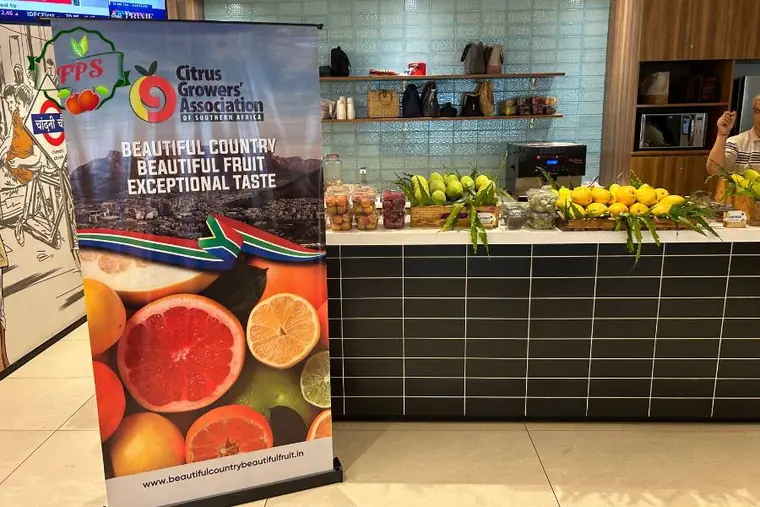
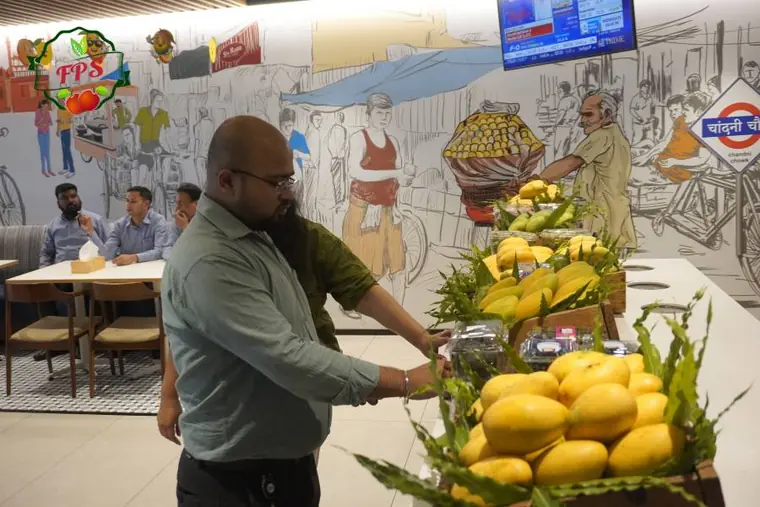
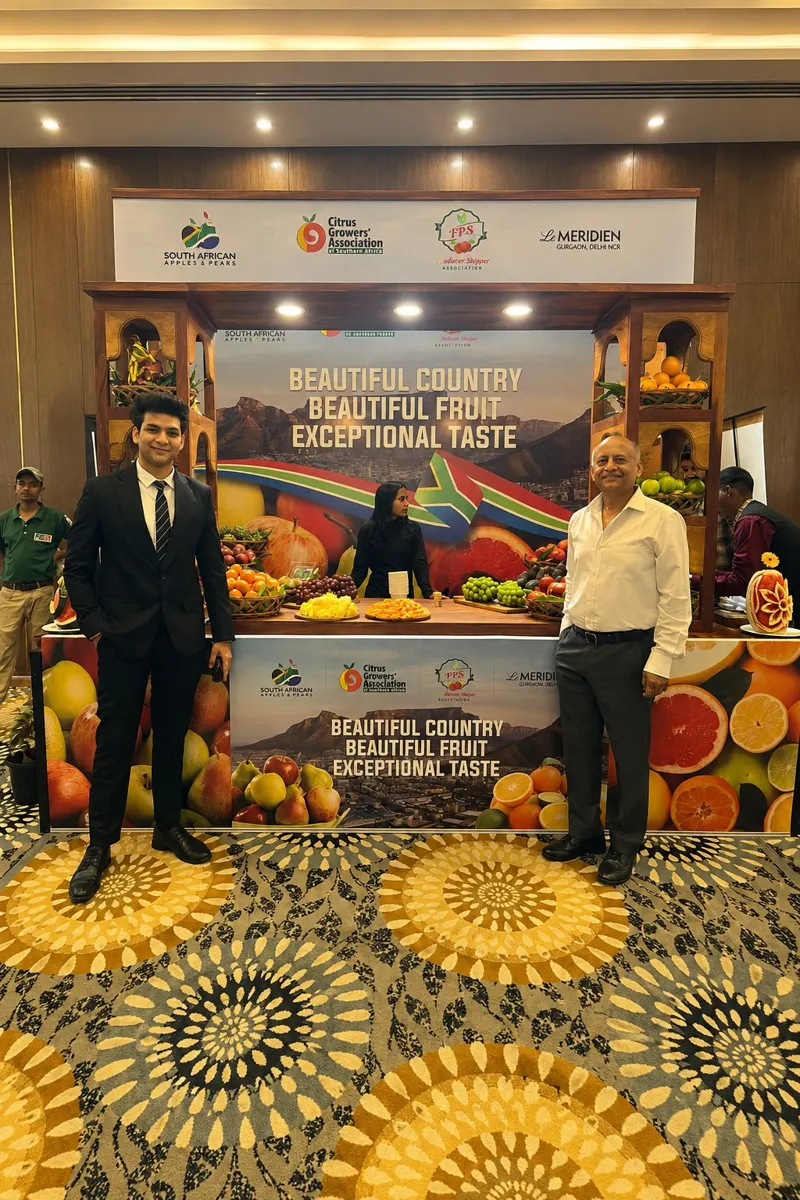
Choose a collection location with enough space for people to approach without blocking a walkway. Place basic information where it can be read before somebody reaches the fruit. Show the selection, the intended allocation and the contact for questions. Keep waste arrangements nearby without putting them in the path of people collecting food.
Observe the first service rather than judging the setup from a photograph. A table may be too high, a sign may be hidden behind the display or a queue may obstruct access for another team. Small changes can improve the experience without increasing the order. If a second location is needed, agree who replenishes it and how quantities are recorded. Avoid sending untracked leftovers from one area to another and then counting both distributions as additional participation. A clear service record should follow the fruit through the actual workplace.
Coordinate fruit with the wider pantry offer
Employees may use fruit alongside tea, coffee, meals or a snack they brought from home. A summer programme does not need to prescribe every part of that routine. It can make one option more convenient while preserving choice. Talk to the pantry or catering team about counter space, serving periods and existing menus so that the new offer does not conflict with another service.
If the office is reviewing drinks as well, treat that as a separate decision with its own brief. A fruit bowl should not be described as compensation for inaccessible water or an automatically balanced replacement for a meal. Keep internal messaging practical: where the fruit is, when it is served and how to request a change. For a broader discussion of employee food choices, read the healthy office fruit snacks guide. The programme works best when the different parts of the workplace food environment support a clear, understandable routine.
Use attendance rather than payroll for quantities
Summer attendance may change with leave, off-site work, training and hybrid schedules. A recurring allocation based only on total employee count can lead to unused fruit on quiet days and shortages during a planned gathering. Ask for the expected participants for the specific service, then review the estimate after observing actual use.
An illustrative office with a nominal team of eighty might have forty people on a routine Tuesday and sixty during a workshop. Those numbers are examples, not demand forecasts. The purchasing brief should distinguish the recurring pantry service from the workshop extra. Agree how late changes are communicated and when the supplier needs the final count. Avoid quietly reducing another shift's allocation to cover visitors. If the programme promises access to several groups, the quantity plan needs to account for those groups explicitly rather than relying on whichever basket remains fullest at the end.
Prepare a realistic summer pilot
A useful pilot can begin with a small number of predictable service days. Select a familiar base, agree the seasonal feature and check that receiving and collection work. Tell employees how to give ordinary preference feedback. Keep the questions short enough that people can answer without completing a health questionnaire or providing personal information they did not intend to share.
After each service, record what arrived, what was accepted, what was made available and what remained unused. Note disruptions such as a postponed meeting or a closed collection area. Those details explain variation more honestly than a simple popularity score. Do not call an empty display proof that the programme improved hydration or health. It may indicate demand, a smaller order or a collection process that allowed multiple portions. The fruit programme measurement guide separates these operational observations from outcomes the service cannot establish by itself.
Give the office team a contingency plan
Summer plans can change quickly: the meeting moves rooms, the receiver is unavailable or the expected attendance falls. Agree who can approve adjustments and how the supplier should be contacted. A named backup receiver is often more useful than several people assuming someone else will handle the delivery. Keep current instructions with the confirmed order.
Decide what happens when the original serving plan cannot be followed. The response should be based on the product instructions and the workplace's procedures, not on a general desire to avoid waste. Record the decision and any quantity affected so it can inform the next service. Do not donate, redistribute or keep prepared food simply because the appearance seems acceptable. Obtain appropriate handling advice where needed. Operational clarity protects the service from becoming a sequence of improvised decisions during the busiest part of the working day.
Avoid misleading summer campaign claims
Words such as cooling, detoxifying and instant energy can imply effects that the workplace has not established. A menu can describe a fruit as crisp, juicy or refreshing without making a clinical promise. Make the service experience the focus: a convenient fruit break with a confirmed selection and a clear collection process. Link a reliable source when sharing general health information.
Do not use employee photographs or feedback as evidence of a medical result. A smiling group shows a moment at an event; it does not measure hydration, heat tolerance or long-term wellbeing. If feedback is collected for communication purposes, obtain the appropriate permissions and keep the wording faithful to what people said. Honest messages are easier to sustain than a campaign that has to defend a different claim every week. The office fruits and health guide explains how to discuss benefits while keeping the evidence in proportion.
Answer common summer fruit questions
Can fruit replace water at work? No. Plan accessible drinking water independently of the fruit offer. Fruit can be part of a person's food intake, but an office assortment is not a personalised fluid prescription. Keep facilities responsibilities and individual professional advice separate from a supplier's menu proposal.
Is prepared melon always the best summer choice? There is no single answer for every workplace. Consider preferences, the intended break, confirmed availability and handling capacity. A prepared selection may suit a planned service, while another format may be easier for a staggered pantry routine. Ask the supplier to explain the proposed product and instructions before agreeing it.
Should we order more fruit simply because it is hot? Quantity should follow the intended service and actual demand. Heat does not tell the buyer how many employees will attend or what they will choose. Start with a sensible estimate, observe use and adjust. Any individual dietary or fluid needs remain a separate matter.
How can we include employees on several floors? Map collection points and break opportunities first. Consider separate allocations where a single counter is inaccessible. Name the person responsible for each handover and avoid assuming that fruit left on one floor will automatically reach another. Review access with the employees who use the service.
Send a summer brief the supplier can review
Include the office location, intended participants, delivery dates, service window, preferred format and any receiving constraints. List the fruits you would like to discuss, acceptable alternatives and exclusions. Say whether the request is for a recurring pantry offer, a meeting break or a one-off event. These details make the response more useful than a broad request for a healthy summer package.
Start in Plan Your Fruit Break, save the mix you want to discuss and send the requirement for review. The planner helps organise an enquiry; it does not confirm availability, nutritional suitability or a delivery booking. Once the service begins, keep the simple elements that work and revise the parts that cause friction. A thoughtful summer fruit offer combines employee choice with dependable operations, while the workplace continues to manage water access and its wider responsibilities through the appropriate teams.
For a multi-site summer programme, keep a separate brief for each address. Two offices may use the same fruit selection while needing different delivery access, storage and collection arrangements. Do not copy the first site's receiving contact or service window without checking. Ask the local team to confirm the details and identify a backup contact. After the first service, compare what happened with the plan and record any change needed. This site-level review can prevent an otherwise sensible menu from becoming difficult to use simply because the operational instructions belonged to another building.