




Start with a concrete purchasing situation
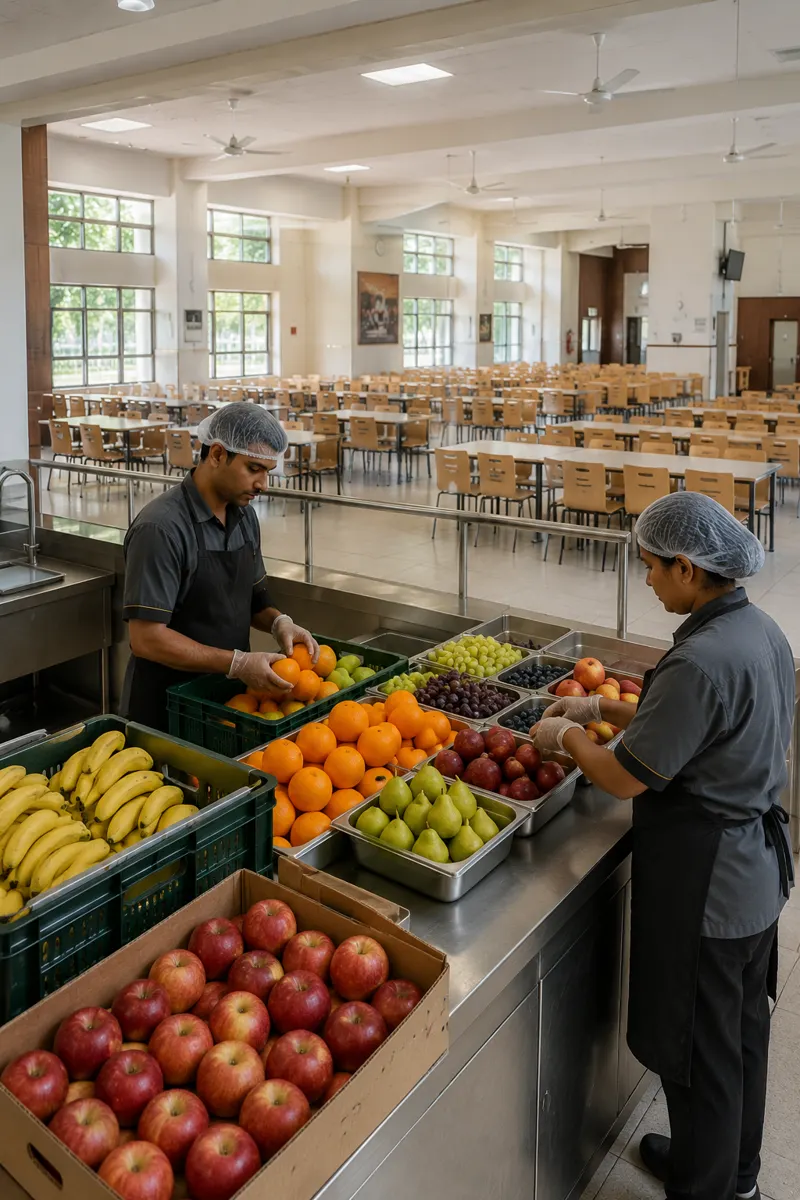
A hostel with 500 residents may expect only 420 breakfast covers during a long weekend. Use confirmed meal forecasts and approved serving allowances rather than treating bed capacity as daily demand.
The practical task is planning hostel fruit around meal attendance. Describe the outcome in terms that the next person can check, rather than relying on an overall impression of the order. Will the quantity and format provide the approved servings at the time the kitchen or venue needs them? The answer should connect the buying decision to the way produce will be received, held, prepared or distributed. Use your organisation's approved procedures for any special food-service or handling requirements.
A useful initial record combines the approved menu or distribution plan, quantity calculation, delivery specification and accepted order lines. Give that record an order or programme reference. Keep illustrative numbers separate from confirmed quantities, and state who can approve a revision. This creates a common basis for discussing the requirement with Fresh Produce Shoppe or another supplier.
Work through the planning example
Changing the fruit size without updating the serving plan can disrupt a fixed per-student allowance. Before comparing outcomes, check that all parties understand the same purchasing unit and intended service. A delivery can match an overall weight or pack count while still differing from the planned allocation. Ask the buyer and receiver to describe what they would accept against the written brief.
Use a simple worksheet with columns for the planning assumption, agreed quantity, actual accepted quantity and any approved adjustment. For this guide, the working unit is pieces per confirmed meal cover. Keep any conversion into pieces, prepared weight or finished packs visible. Confirm the conversion with a measured record or an appropriate specification instead of treating an estimate as a fixed fact.
Forecast each meal separately
Begin by agreeing the meaning of “forecast each meal separately” for this particular service. Ask procurement, the kitchen or event lead and the receiving team to describe the result they need and the information available to support it. Write an observable requirement alongside the decision, with the relevant quantity, date, format or authorised owner. A description that depends on one person's memory is difficult to apply during a busy service. Keep the wording understandable to the person who will use the record. If an assumption has not been confirmed, label it as an assumption and assign someone to resolve it before the order is approved.
Confirm the serving size and fruit grade
Put “confirm the serving size and fruit grade” into the sequence of the actual order. Identify what must happen before this step, what information it needs and who uses its result next. The buyer's planning deadline and the receiving team's operating hours may differ, so record both where relevant. Share a change through the agreed contact, using the order reference and effective service date. Avoid leaving the update in an unrelated message thread. Ask the next person in the sequence to confirm that they have the current information, particularly when an event, shift or office attendance pattern changes.
Account for term breaks and leave
For “account for term breaks and leave”, review the figures against the intended use rather than copying a previous order automatically. Check the applicable units, dates, serving assumptions and practical limits. The useful checks for this buying brief include forecast covers, serving size, purchase unit, usable yield, maturity and service deadlines. Where a number comes from a forecast, record its source and date. Where it comes from a measured trial, identify the trial conditions. A product or serving change can make an old conversion unsuitable. Keep the calculation simple enough for a colleague to reproduce, and resolve inconsistent units before asking the supplier for final confirmation.
Choose the kitchen receiving window
When you “choose the kitchen receiving window”, identify the person authorised to make the decision and the person carrying it out. They may be different people. Give the receiver or service team a short instruction stating what has been agreed and where to raise an exception. Decisions affecting price, quantity, product format or service timing should be visible to the budget owner as appropriate. Record an alternative only after the necessary approval. This preserves a clear relationship between the buying brief and the service delivered, while allowing the team to respond when circumstances change.
Review leftovers after each menu cycle
After you “review leftovers after each menu cycle”, compare what was planned with what happened during the service cycle. Use a small number of relevant observations rather than a long scorecard that nobody maintains. Record the difference, the likely cause and the next practical adjustment. Discuss the observation with the relevant supplier or internal owner before drawing a broad conclusion. A changed attendance estimate, receiving delay or unclear specification may explain a result that initially appears to be a product problem. Date any revision and identify which future order should use the revised instruction.
Keep evidence that answers the buying question
Keep aggregate meal forecasts, menu approval, accepted piece counts and leftovers together. Route special dietary requirements through the institution's established food-service process.
The record should help procurement, the kitchen or event lead and the receiving team understand the same result. Preserve enough detail to explain an exception, including the product line, applicable unit, relevant date and agreed resolution. Avoid collecting unrelated personal information. For a routine programme, aggregate operating figures are generally more useful than individual records. Where the organisation needs additional documentation, agree that requirement before placing the order.
Review the evidence while the service cycle is recent. Ask what changed between the approved brief and the observed result. If the cause remains unclear, choose a small, measurable adjustment for the next cycle and record who owns it. This gives the next review a specific question to answer.
Common questions before the next order
Who approves a change? Name the person with authority over the affected product, quantity, budget or schedule, then make their decision available to the receiver. What if the original assumptions change? Update the relevant calculation and tell the supplier which service date the revision applies to. Can a previous quote be reused? Check its validity and whether the products, format, quantity and fulfilment conditions still match.
What should be confirmed with Fresh Produce Shoppe? Share the exact address and PIN code, the intended use, pieces per confirmed meal cover, service dates and any essential product conditions. Ask the team to confirm availability, practical quantities, packing and proposed delivery arrangements. Commercial terms and special handling requirements need order-specific review. Keep unanswered questions visible until they are resolved.
Prepare a concise requirement for FPS
Bring the five decisions in this guide together in a short written brief. Explain that you are planning hostel fruit around meal attendance, give the organisation and receiving details, and attach the relevant specification or planning figures where appropriate. Describe the decisions already approved and the points on which you need advice. The goal is a quote or service discussion that addresses the requirement you can actually receive and use.
Use the enquiry link below to contact the Fresh Produce Shoppe team. For the wider buying context, visit the related bulk fruit suppliers in gurgaon page. Continue with the other guides in the same collection when you need to examine a quotation, receiving plan, quantity calculation or recurring review in more detail. Final products, availability and delivery feasibility are confirmed against the particular order.